Rockwell Hardness Tester
ZwickRoell洛氏硬度计用于经典洛氏方法、金属表面洛氏方法及诸如塑料的球压痕试验的深度测量方法。
With a Rockwell hardness tester, you can measure the residual indentation depth created by the indenter using a differential depth method. The deeper a defined indenter penetrates the surface of a specimen with a specified test load, the softer the material being tested. The most widely used Rockwell hardness test methods are standardized test methods on metals according to ASTM E18 and ISO 6508. In the plastics industry, these include the Rockwell hardness test to ISO 2039-2 and ASTM D785, as well as the ball indentation hardness test to ISO 2039-1.
Was zeichnet ein gutes Härteprüfgerät Rockwell aus?
A Rockwell hardness tester is designed to test the hardness of materials using the differential depth method.
A typical Rockwell hardness tester consists of a load application feature, an indenter, a test anvil and a measuring transducer. The DuraJet model is a software-controlled hardness testing machine with automatic load application through a closed control loop and fully automatic indentation evaluation. The N3 device works with a spring sleeve system.
With the software-controlled instruments you have access to a wide range of functions, including the use of templates, export of your results and much more.
The Rockwell hardness test has a variety of applications. It is not only used to determine material properties according to hardness and forming processes, but also for quick and effective testing in production and incoming goods departments. This helps ensure that the material meets specified requirements and will behave optimally when used for its intended application.
In the development of our ZwickRoell Rockwell hardness testers, we particularly take the following aspects into account:
- 高精度和耐久性
- 操作简单直观,以便最大限度地减少操作错误
- 符合未来需求的测试软件
便携式洛氏硬度计的型号比较
![]() | ![]() | ![]() | |||||
| N4A | N4B | N4C | N4E | N6 | N7F | N7P | |
| 载荷范围 | 15-187.5 kg | 15-187.5 kg | 15-187.5 kg | 15-187.5 kg | 62.5 kg | 62.5 kg | 62.5 kg |
| 显示屏 | 模拟 | 模拟 | 模拟 | 模拟 | 模拟 | 模拟 | 模拟 |
| 设备类型 | 测试夹具 | 测试夹具 | 测试夹具 | 测试夹具 | 钻孔硬度计 | 齿面硬度计 | 齿面硬度计 |
| 试验区域 | 喉部深度:85 mm,夹持宽度:0-145 mm | 喉部深度:130 mm,夹持宽度:0-235 mm | 喉部深度:180 mm,夹持宽度:0-335 mm | 喉部深度:110 mm,夹持宽度:0-20 mm | 钻孔直径为36-110 mm,插入深度高达400 mm | 外齿模块2-10,测量范围高达140 mm | 外齿模块3-35,测量范围高达700 mm |
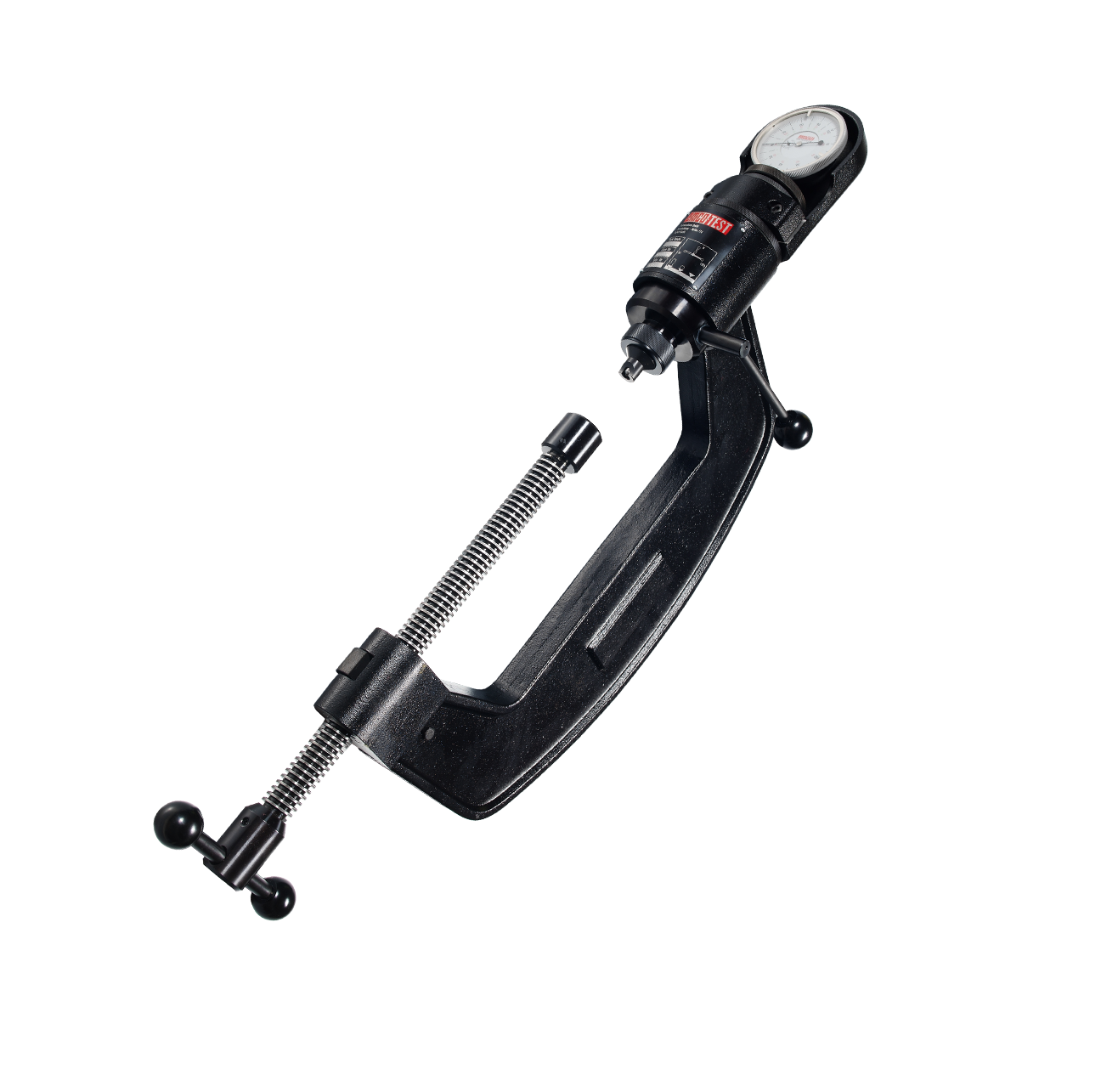
N4测试夹具
便携式洛氏硬度计具有一个夹持装置,该装置由一个轻合金夹持夹和可快速调节的螺纹主轴与夹持肘杆组成。根据客户要求,您可以选择带有弹簧套筒的试验装置N1A 001,也可以选择其中一种载荷可调试验装置。
应用:
- 符合EN ISO 6508和ASTM E18标准的所有洛氏硬度方法
- 布氏HBT的非标准方法,载荷范围为294-1,839 N (30-187.5 kg)
型号:
- N4A 000喉部深度85 mm夹持宽度0-145 mm
- N4B 000喉部深度130 mm夹持宽度0-235 mm
- N4C 000喉部深度180 mm夹持宽度0-335 mm
- N4E 000喉部深度110 mm夹持宽度0-20 mm
载荷可调试验装置:(承重能力减少55 mm)
- N1P 000 – for plastics testing to EN ISO 2039-1(5, 13.5, 36.5, 98 kg)
- N1R 000 - 适用于根据EN ISO 6508(60、100、150 kg)标准进行洛氏试验
- N1S 000 - 适用于根据EN ISO 6508(15、30、45 kg)标准进行超级洛氏试验
试验过程:
- 试验仪器置于工件上,并以力配合方式夹持在试验装置与试验压头之间的预期试验点处。
- 夹持过程之后,使用手柄施加试验载荷。
- 然后从千分表上读取测试结果。
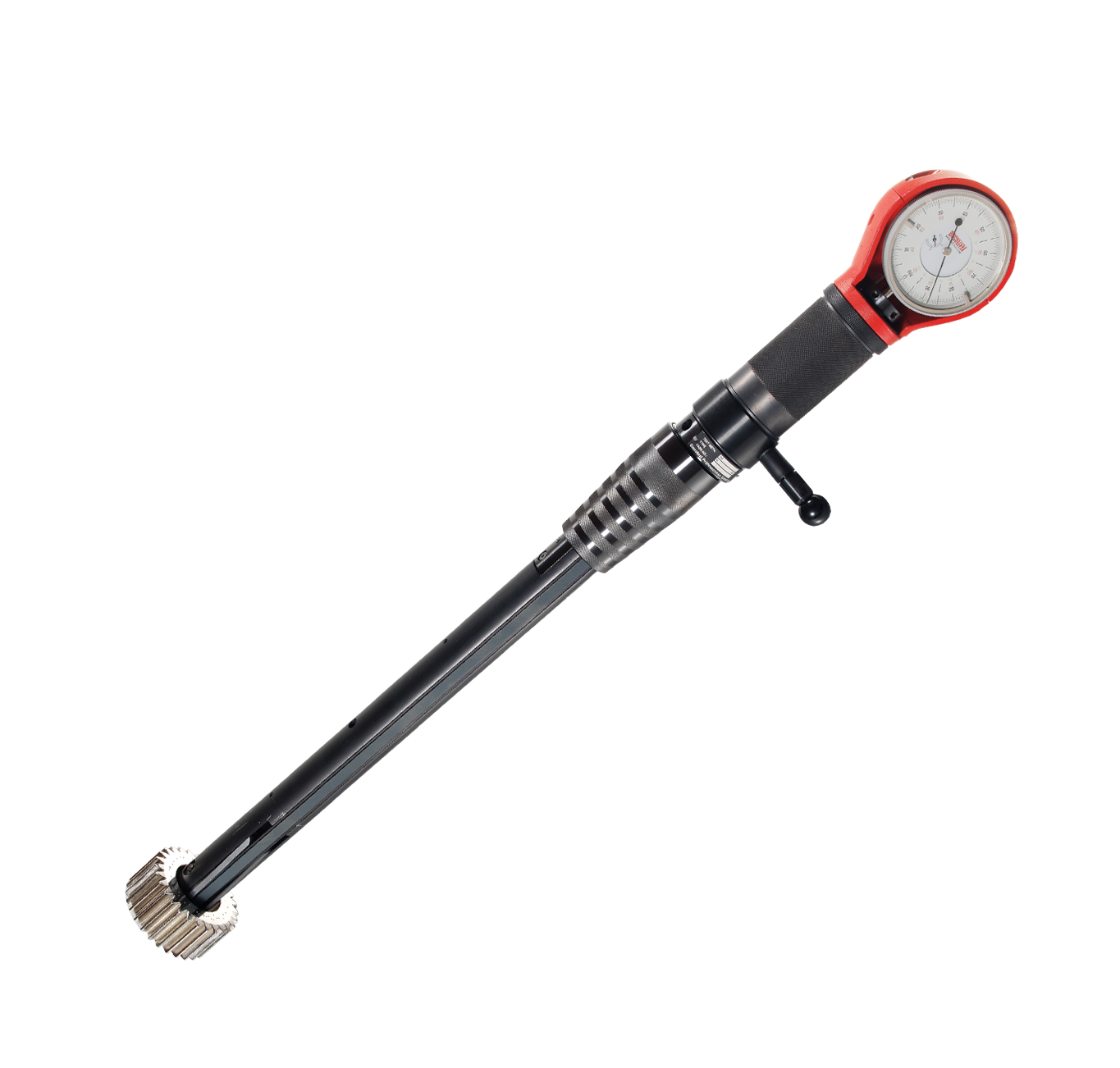
N6 - 钻孔硬度试验
All devices consist of test unit N1E 000 with load lever (complete with dial gauge, dial gauge cover and spring sleeve) and Intest sensor with tensioning nut, clamping clip and spring link, including test specimen. The hardness tester is delivered in a suitable instrument case with a hardness comparison table and operating instructions.
应用:
- 用于钻孔测量的便携式硬度计
- 钻孔直径从36-110 mm
试验过程:
- 试验仪器被定位在孔中,并通过力配合夹紧方式固定。
- 夹持过程之后,使用手柄施加试验载荷。
- 然后从千分表上读取HRC值测试结果。