
TUMCREATE uses zwickiLine for texture testing of meat alternatives
Case Study
- Customer: TUMCREATE
- Location: Singapore
- Industry: Food
- Topic: Texture analysis of meat substitutes for R&D

July 2026
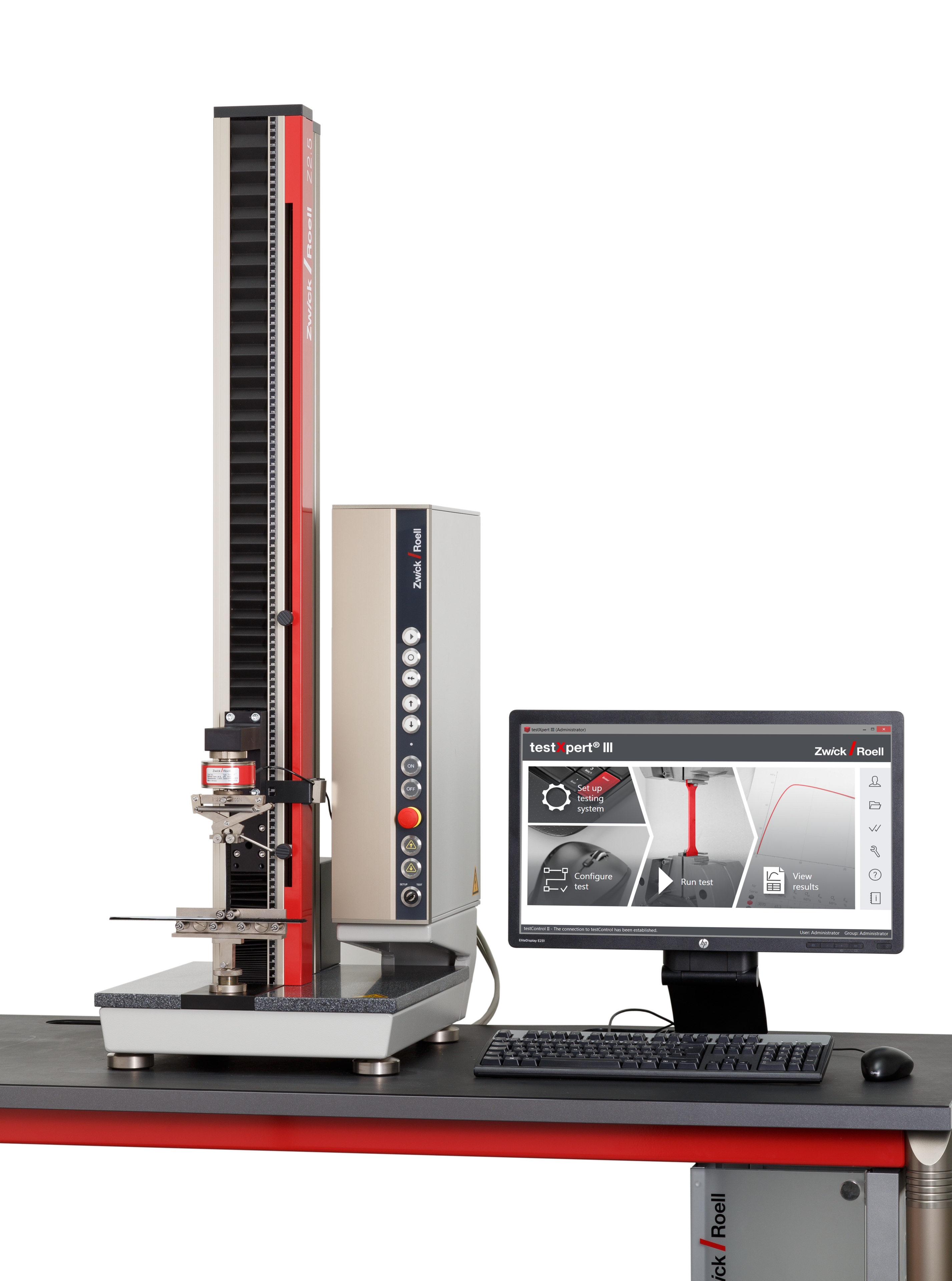
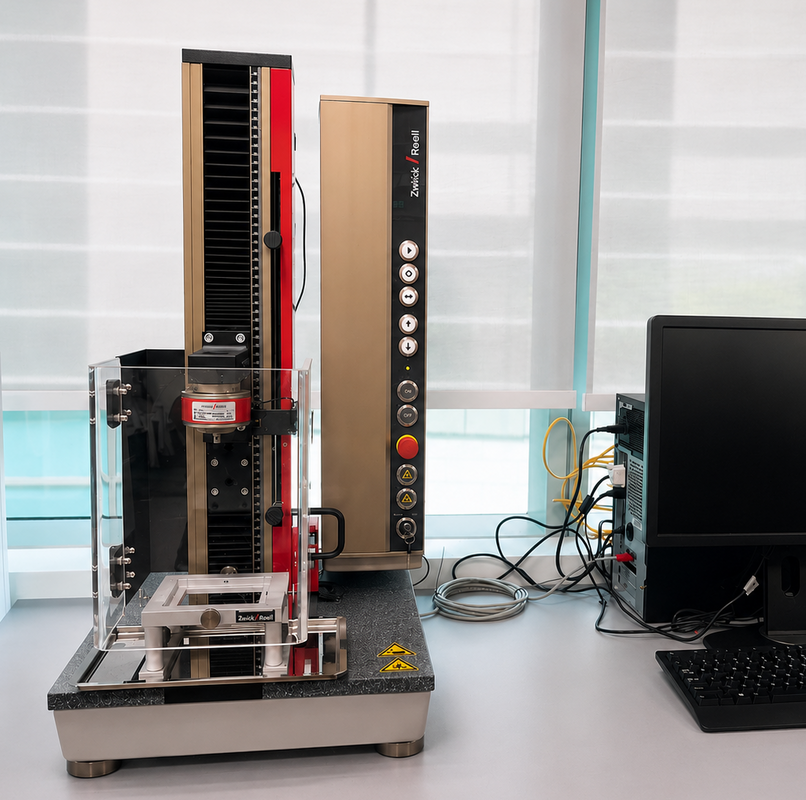
TUMCREATE develops meat-like products from soy and microalgae, whose fibrous structure is created by extrusion and 3D printing. In order to reliably measure the texture and fiber structure, test methods have been optimized and reproducibility has been increased. ZwickRoell provides support with the zwickiLine, which enables precise mechanical testing and contributes to standardization.
Tasks Areas of competence Solution Result Products
TUMCREATE – Research for the urban future and sustainable nutrition
TUMCREATE is the multidisciplinary research platform of the Technical University of Munich (TUM) based in Singapore. Founded in 2010 and funded by the National Research Foundation, TUMCREATE aims to develop science-based solutions for the sustainable transformation of urban societies through international collaboration between leading universities, local institutions, and industry partners. The research focuses range from urban mobility and energy supply to medical diagnostics and food research.
Innovative food technology for the urban nutrition of the future
As part of the Proteins4Singapore program, TUMCREATE is intensively dedicated to developing sustainable protein sources to strengthen food security in densely populated cities such as Singapore. A TUMCREATE customer is developing novel meat alternatives based on soy and microalgae, which are produced in its own vertical farming systems and through indoor cultivation. The proteins obtained from this are processed by means of 3D printing and extrusion into fiber-rich structures that come as close as possible to the structure and mouthfeel of meat.
This research supports Singapore's "30 by 30" goal of producing around 30 percent of its own food needs locally by 2030. The combination of a controlled environment, biotechnological innovation, and digital processing technology not only enables resource-efficient production, but also a new generation of functional foods that are both nutritious and tasty.
Science meets practice
TUMCREATE exemplifies the combination of academic excellence and practice-oriented innovation. With over 1,000 scientific publications and more than 150 qualified doctoral students and postdocs, the center has made a significant contribution to international research. Close collaboration with partners such as Nanyang Technological University and other global institutions promotes the exchange of knowledge and technologies across continents.


ZwickRoell top competences
- Expert know-how guarantees comparable and reproducible test results
- A wide range of testing options in the application technology laboratory – also available via web demo on request
- Quick and easy change of test fixtures
- Helpful, reliable support – also in Singapore and for non-standard measurement procedures
The task
Tensile tests on inhomogeneous specimens for texture testing of plant-based meat alternatives
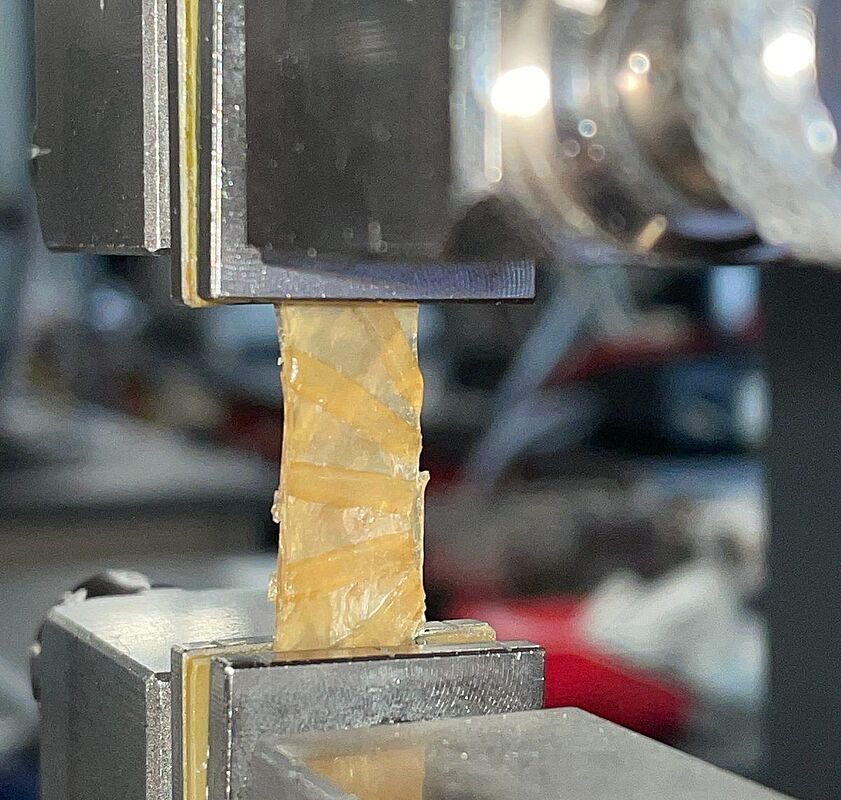
The mechanical testing of plant-based meat alternatives places special demands on running a test: The materials – including extruded specimens, 3D-printed structures and closed-cavity rheometer specimens – differ greatly in size, consistency and structure. While the printed specimens are very fine and soft, the rheometer specimens have an inhomogeneous thickness and irregular fiber orientation.
Extrudates, on the other hand, are significantly larger and more robust. The aim was to perform reproducible tensile tests despite these differences, which would allow for an objective assessment of fibrosity. Although a suitable testing machine was already available with the zwickiLine, a suitable clamp for the varying specimen shapes was initially missing. Therefore, a key challenge was preparing consistent specimens that would provide reproducible and meaningful results.
The ZwickRoell solution
Individual testing strategy in the application laboratory for plant-based meat alternatives
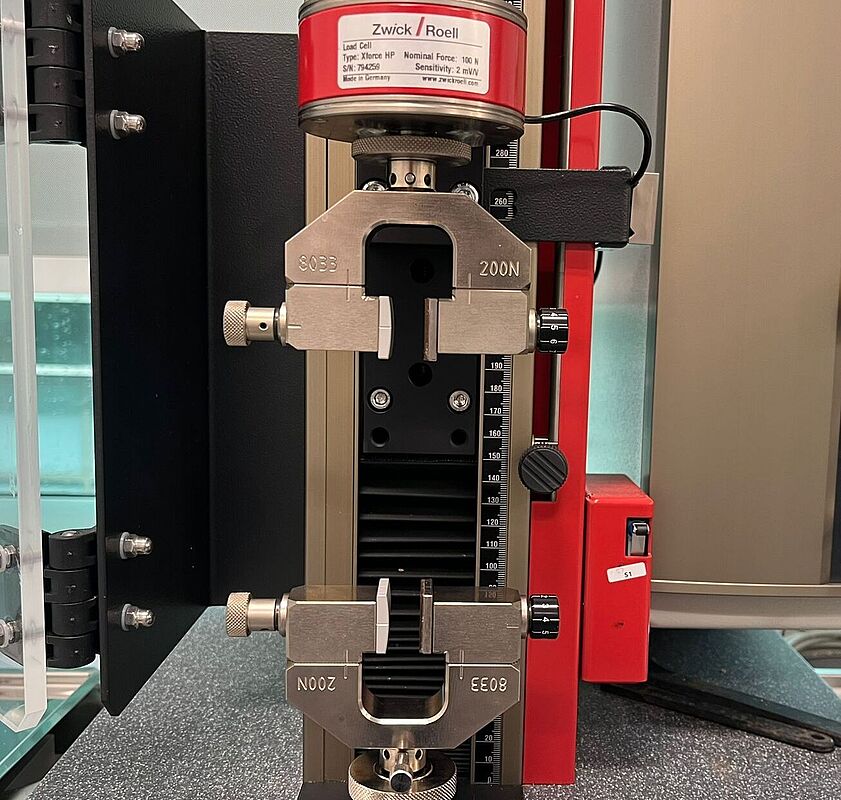
To meet the complex testing requirements, the ZwickRoell application laboratory provided support with comprehensive expertise and practical testing capabilities. In joint test series, various clamps, tools, and test methods were evaluated in order to find the optimal solution for the different specimen types.
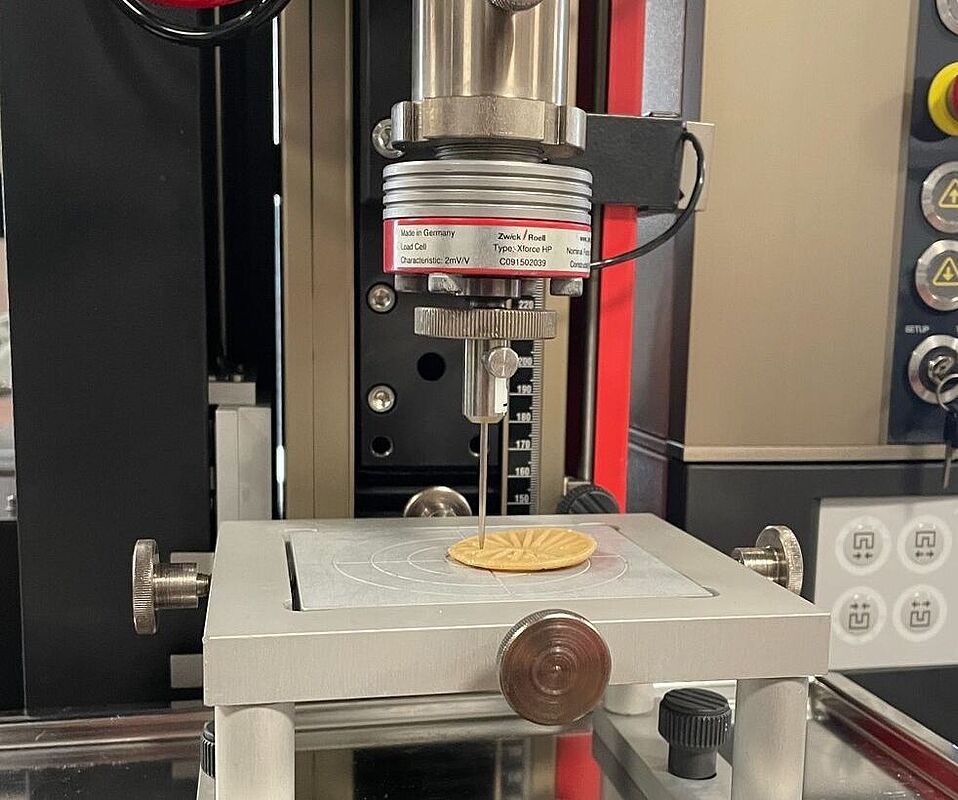
The basis for the selection of setup, tool, and methodology was always the manufacturing process of the product, the test objective and possible product variants. The zwickiLine materials testing machine proved to be flexible in use – for both tensile and puncture tests. This allowed us to develop a reproducible and practical testing strategy that is also scalable for future product developments.

“Sound research requires not only suitable analysis methods, but also a clear understanding of their possibilities and limitations. Thanks to the knowledgeable and straightforward support from ZwickRoell, we were able to quickly develop a customized solution for our specific requirements and specimens."
Sophia Morsten, PhD Candidate/Research Associate
The result
Reproducible methods for texture analysis established
As part of the joint development work, reproducible methods for the mechanical texture analysis of plant-based meat alternatives were established. A key advance was the definition of suitable specimen geometries that can be reliably applied to specimen of different sizes and structures. This created the basis for evaluating fibrosity objectively and reproducible – regardless of the production method or material consistency.