Testing Solutions for Evolving Defense Technologies
ZwickRoell is your partner for materials testing technology in safety-critical applications – from personal protective equipment to aerospace and defense technology, as well as vehicles and maritime systems. Our testing systems combine automation, analytics, and AI, delivering precise and traceable results for material qualification as well as function and performance tests – even under extreme conditions.
Personal protective equipment Aerospace Defense systems Vehicles Maritime systems Downloads Contact us

Why choose ZwickRoell for defense technology applications?
The demands on defense manufacturing are increasing:
- Higher production volumes
- Shorter development cycles
- New high-performance materials
- Global supply chains
These factors are making testing processes more complex than ever before. Therefore, absolute reliability under all conditions is essential – and we provide just that.
Our defense industry solutions
- Material qualification for extreme operating conditions
- Function and performance tests for high safety standards
- Automated testing systems for efficiency and precision
- AI-supported analytics for intelligence evaluation and process optimization
Rooted in German engineering tradition and expertise and strengthened by a global network, we offer a broad testing portfolio. As your trusted partner in defense technology, we deliver customized solutions.
Testing solutions for personal protective equipment
ZwickRoell offers high-precision testing systems for personal protective equipment used in the defense industry. Our solutions ensure the strength, durability, and damage tolerance of helmets, body armor, and carrier systems– for absolute safety under extreme operating conditions.
Why materials testing is crucial for protective equipment
In the field, equipment is the last line of defense for soldiers. It must provide a combination of mobility, comfort, and maximum protection. Our testing procedures simulate realistic conditions to ensure the performance and reliability of the materials.
Our testing technologies for personal protective equipment:
- Impact and fracture analyses of protective plates, composite laminates, and helmet shell cutouts, as well as penetration tests on safety helmets
- Determination of the tear strength of insulation materials as described in ISO 13937-2 and ISO 9073
- Testing the operating force of zippers in tensile test
- Tear resistance determination of transport belts
- Fastening and anchoring tests for plate carrier systems, helmet straps, and visor mounts
- Integrity assessments of helmet shells, face protection visors, and ceramic inserts
- Dynamic performance tests for helmet suspension systems, visor hinges, and mounting brackets
- Strength and stress tests for metal fittings, connectors, buckles, and fasteners
- Material fatigue and environmental simulations for ceramic/composite plates, helmet shell laminates, and textile stacks
- Determination of ballistic penetration resistance of textile protective materials

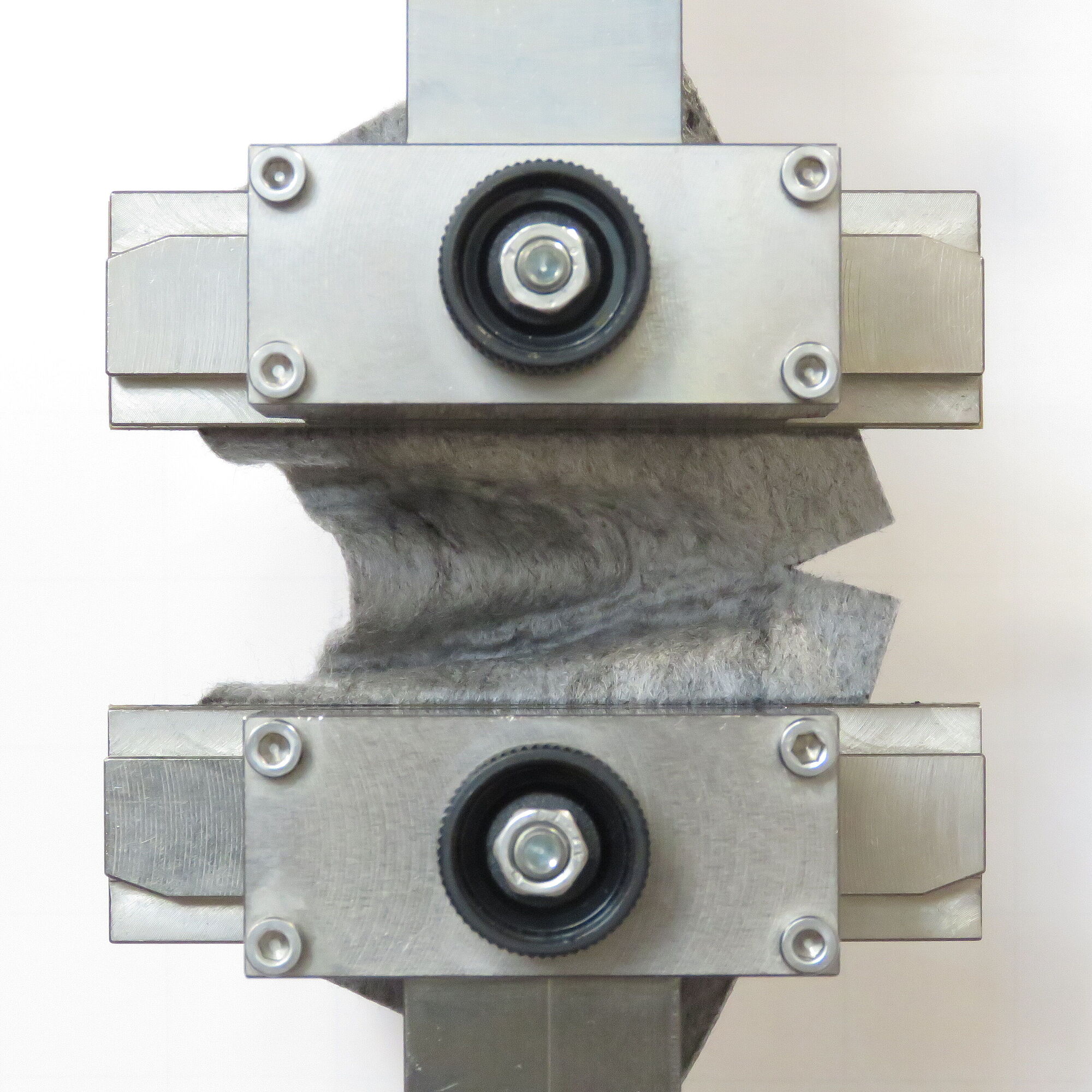
Tear resistance determination of insulation materials
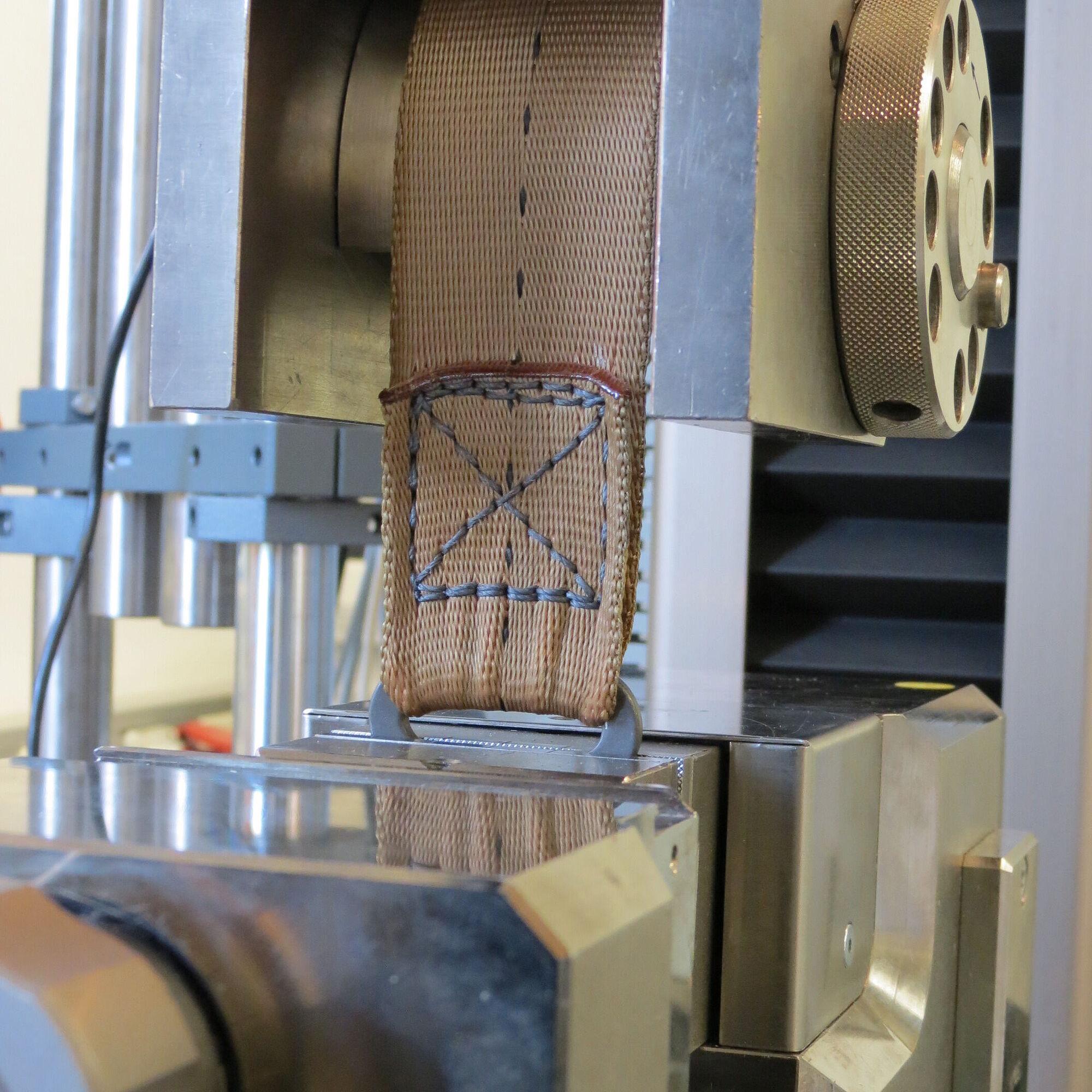
Tear resistance determination of transport belts
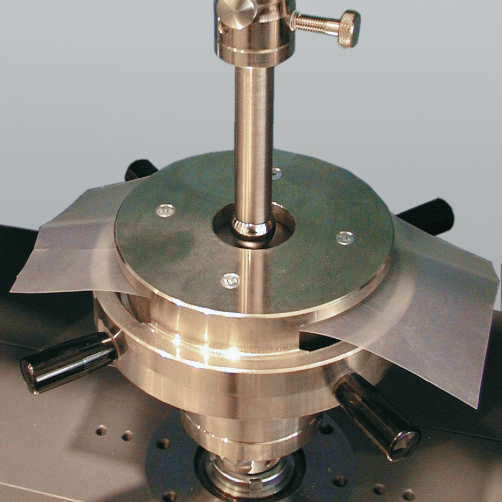
Determination of ballistic penetration resistance of textile protective materials
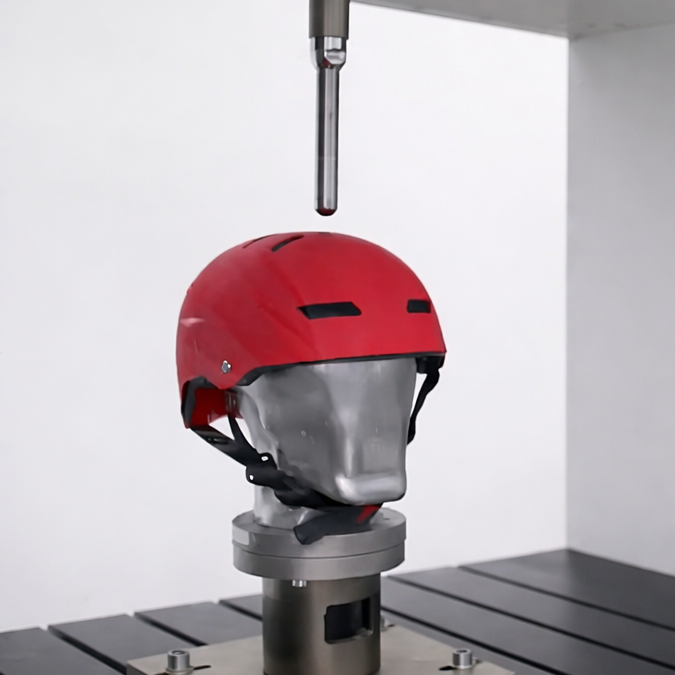
Penetration test on safety helmet
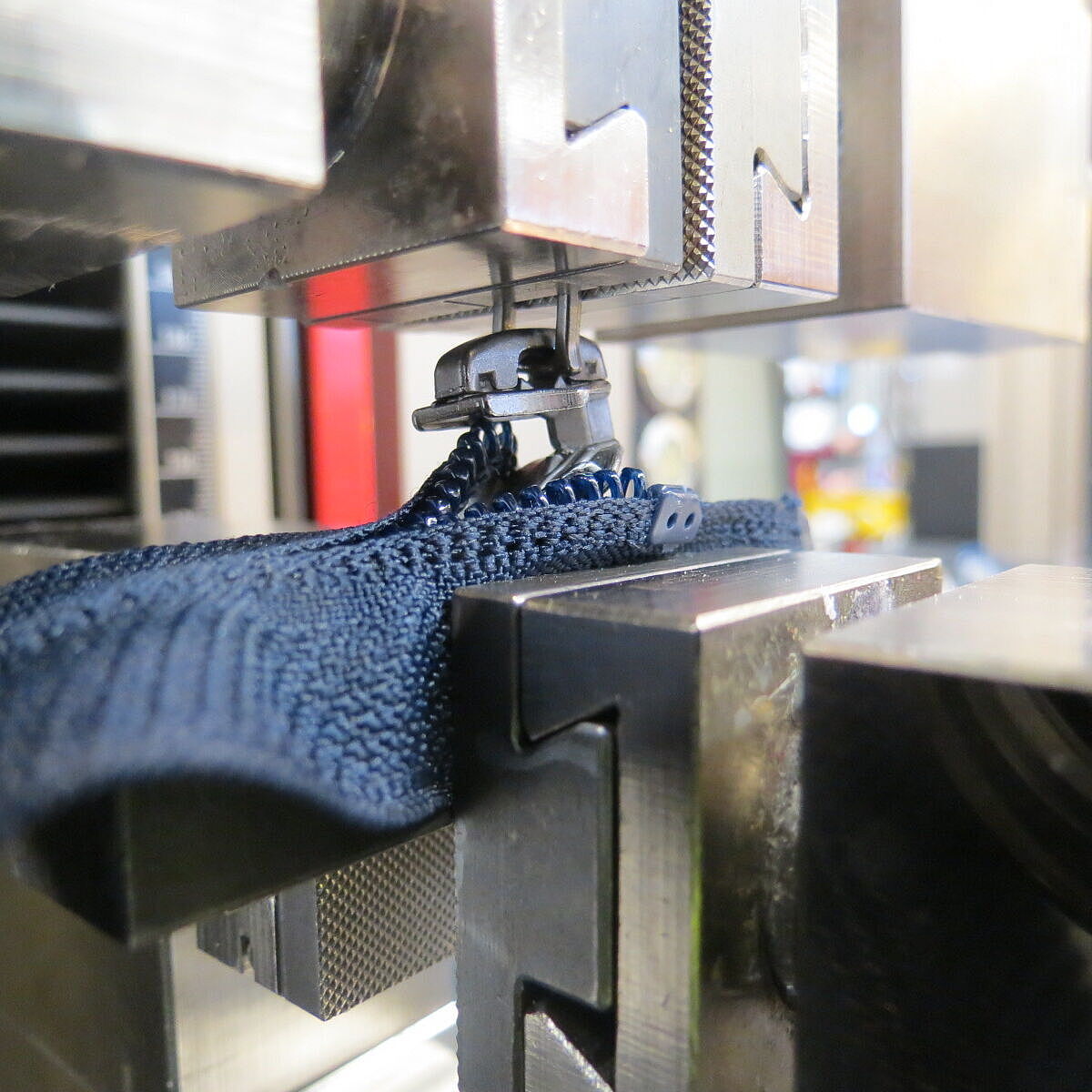
Testing of the operating force of zipper systems
Test solutions for the aerospace industry
ZwickRoell offers testing solutions for realistic high-temperature tests to ensure the performance and service life of aerospace components under extreme thermal and mechanical loads.
Why temperature testing in aerospace is crucial
In the aerospace industry, materials and components are exposed to extreme temperatures, substantial mechanical loads, and strong temperature fluctuations. The trend continues to move toward increasingly higher temperatures, larger forces, and growing demands on material durability. Modern high-performance materials, such as those used in rocket and jet engines, hypersonic aircraft, gas turbines, or thermal insulation systems, must function reliably even under these conditions.
- Characterization of materials and structures under extreme temperatures and load applications in a range of –250°C to +2,000°C.
- Our testing systems support the development of efficient lightweight materials and ensure the reliability of highly stressed and critical components – from aircraft fuselages to engine components.
- We cover all technology readiness levels (TRL) and offer solutions for NADCAP-accredited processes.

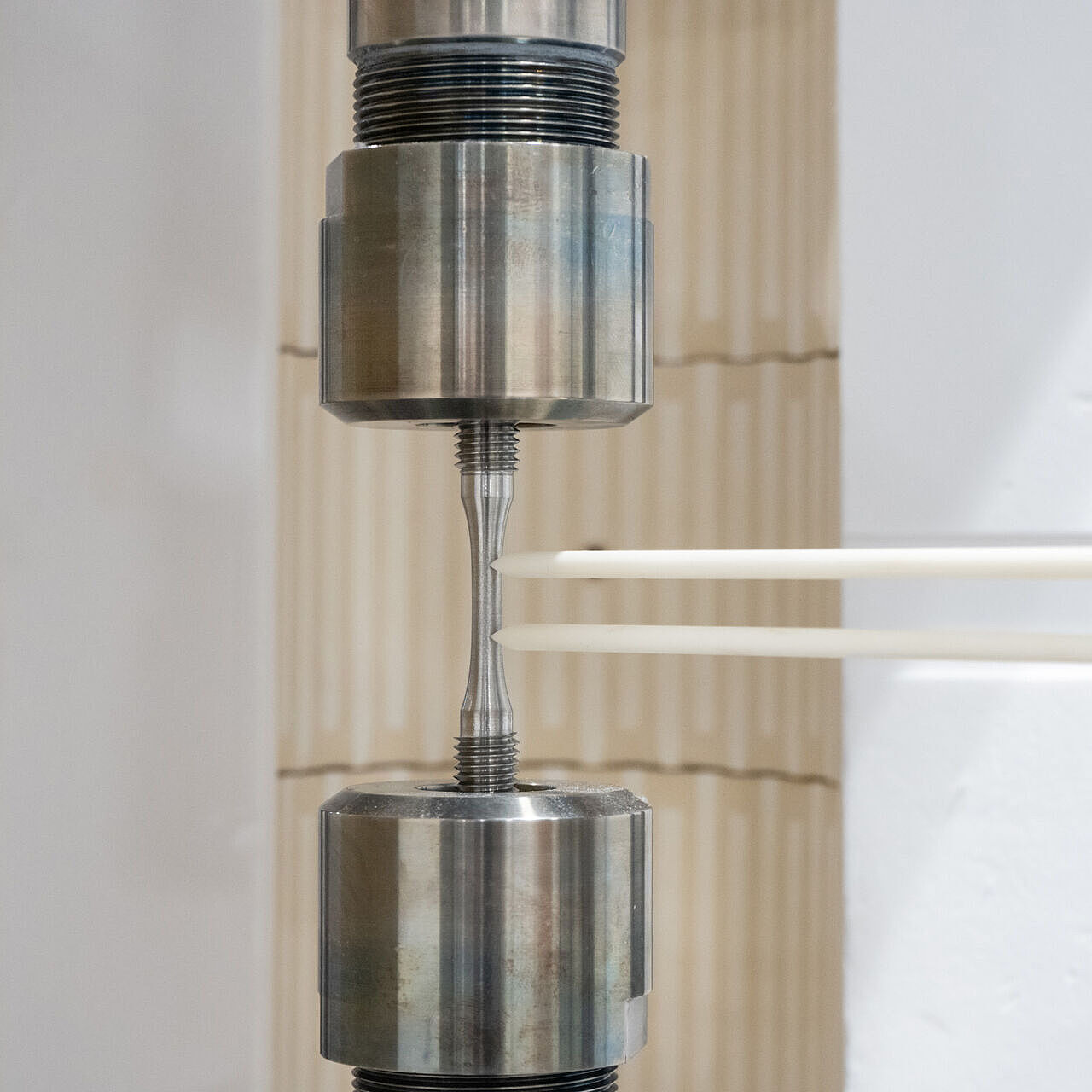
Creep fatigue test on metals up to 1,100°C
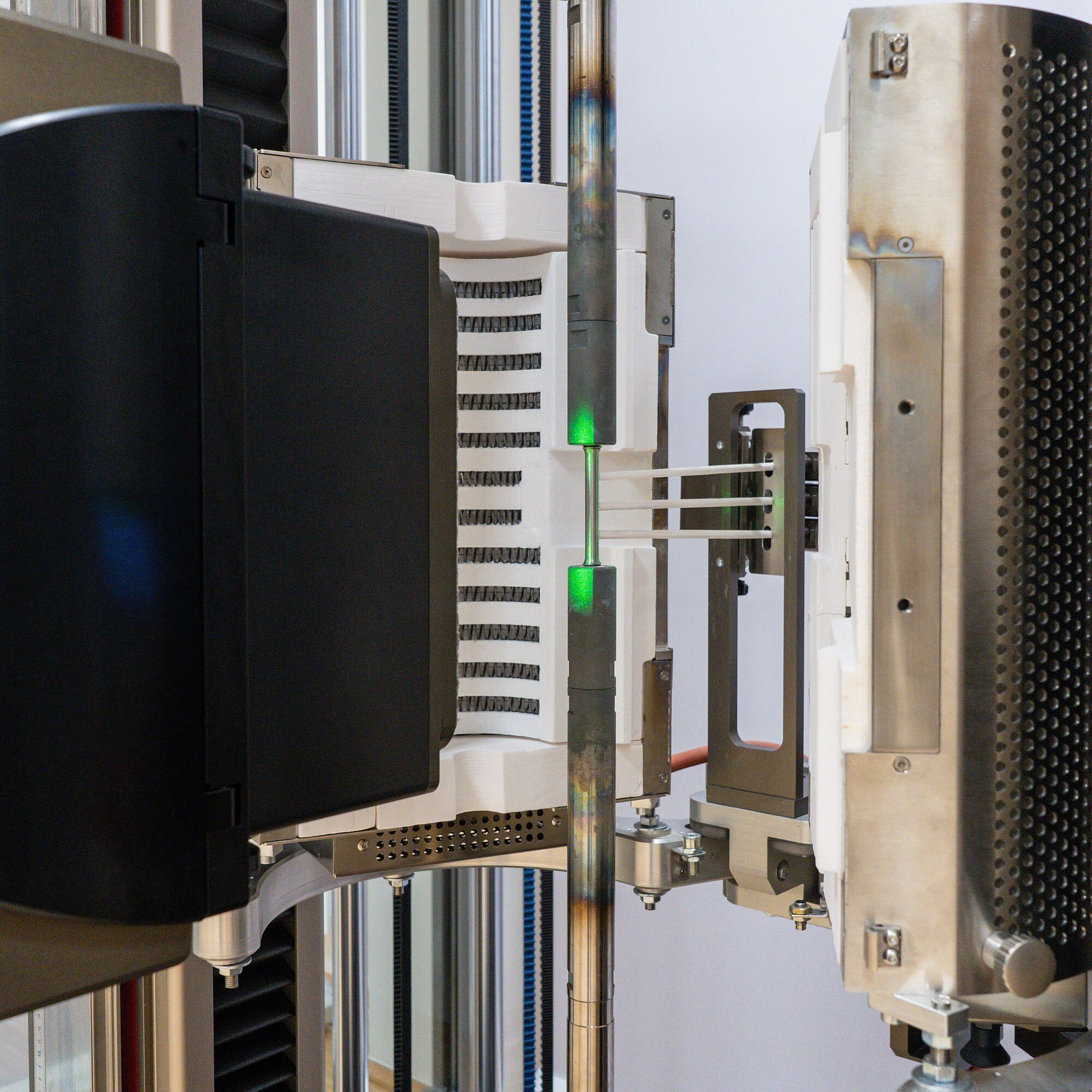
High-temperature tensile test on metals up to 1,200°C
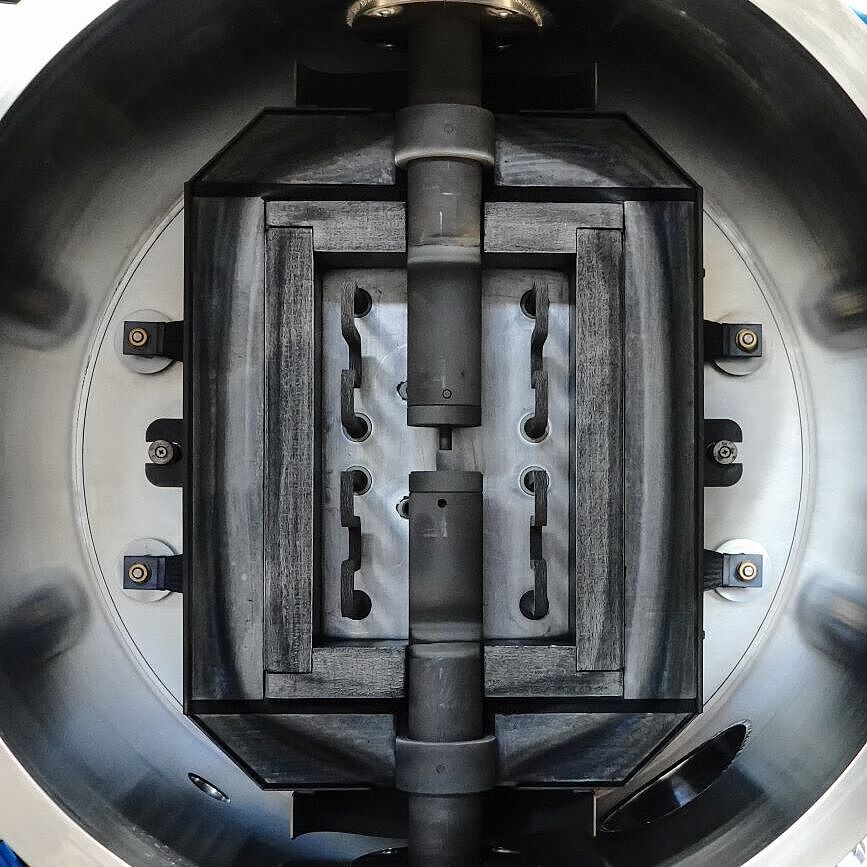
Compression test on graphite up to 2,000°C
Testing solutions for critical defense technology
ZwickRoell offers high-precision mechanical testing methods for the defense industry to ensure the functionality of weapons, military equipment, and complex technologies such as radar, sensor and communication systems – even under the toughest conditions.
Why mechanical testing is crucial
In defense technology, components must withstand the highest loads and extreme environmental influences. Our testing systems guarantee absolute reliability, ensuring that every component functions correctly in operation.
Our testing technologies for critical defense systems
- Tensile tests on metal tube elements, cannon barrel steels, rocket and mortar housings, launch rails, and armor plate specimens
- Tube-flattening test on steel tubes according to ISO 8492 and DIN 50136
- Fracture toughness tests according to ASTM E399
- Fracture toughness tests for barrel liners, armor ceramics, guided missile fins, and launch rails
- Hardness tests on hollow bodies, cartridge cases, weapon casings, ammunition housings, mountings, and connectors
- Automated hardness tests on hollow bodies
- Fatigue testing for weapon mounts, recoil systems, locking mechanisms, and launch frames
- Compression testing on ceramic bolts
- Integrity testing of connections such as barrel-housing joints, launch tube connections, and brazed heat exchangers
- Impact and notched impact bending tests (Charpy) on weapon housings, breech blocks, armor plates, launch tubes
- High-temperature tests and creep tests on tank gun barrels, artillery systems, rifle and machine gun barrels

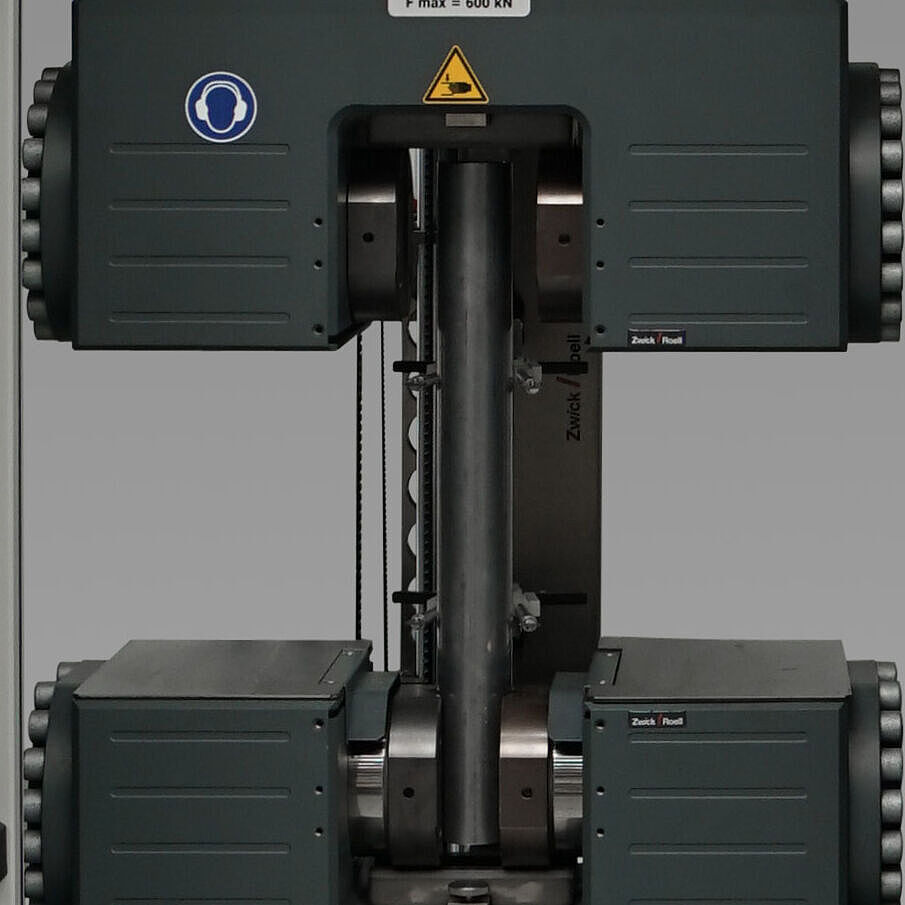
Tensile testing on metal tube elements
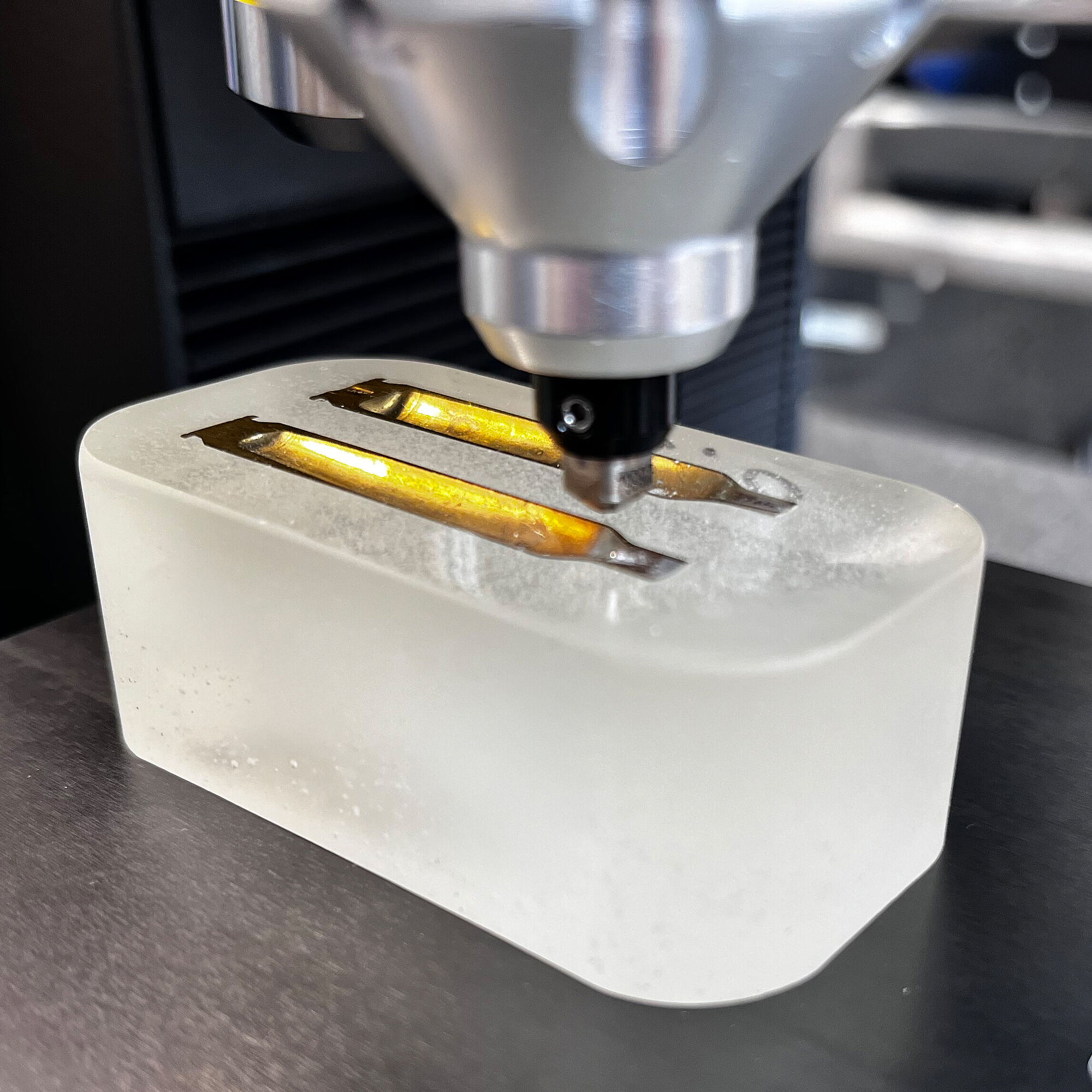
Hardness testing of hollow bodies
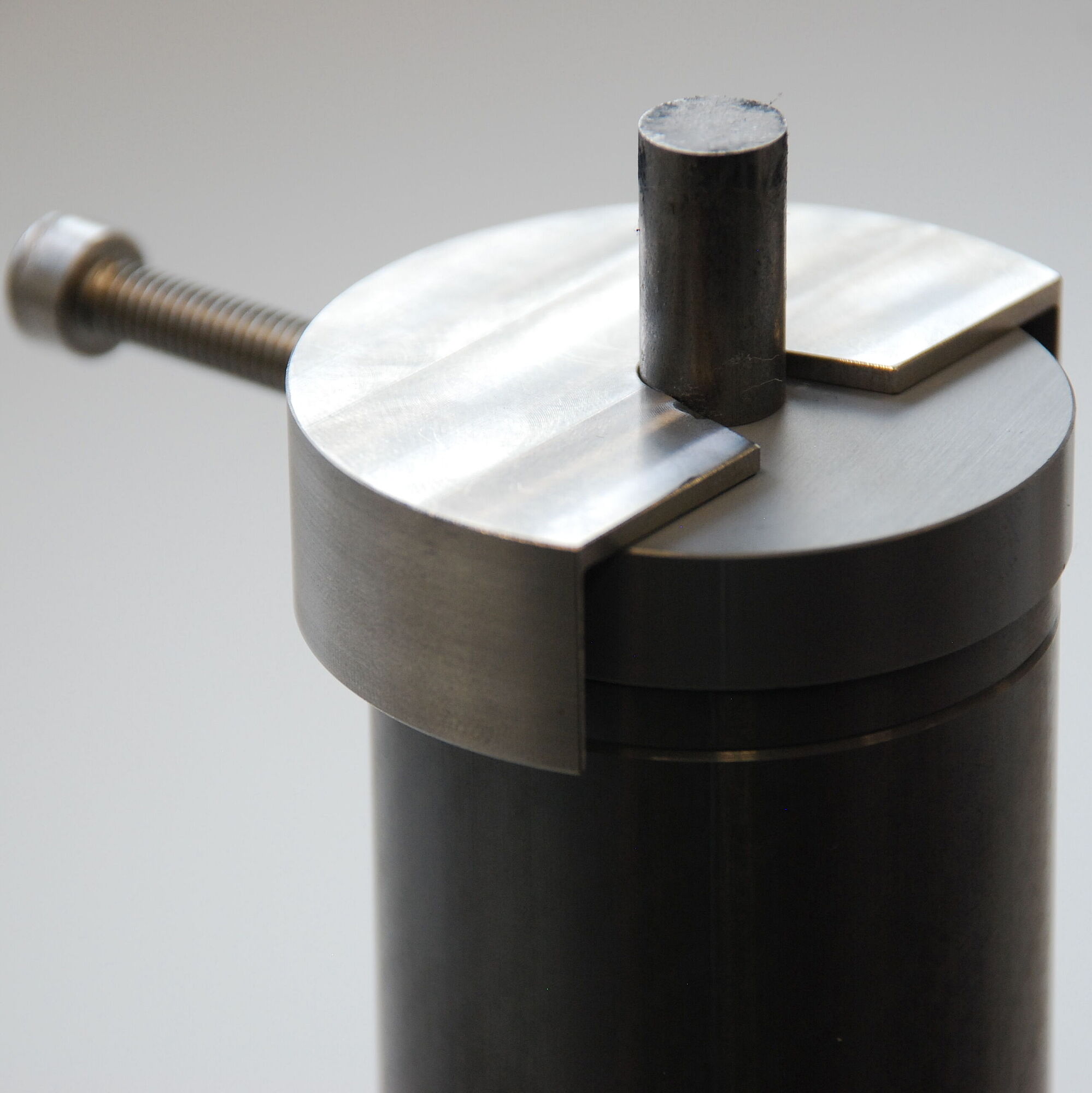
Compression testing on ceramic bolts
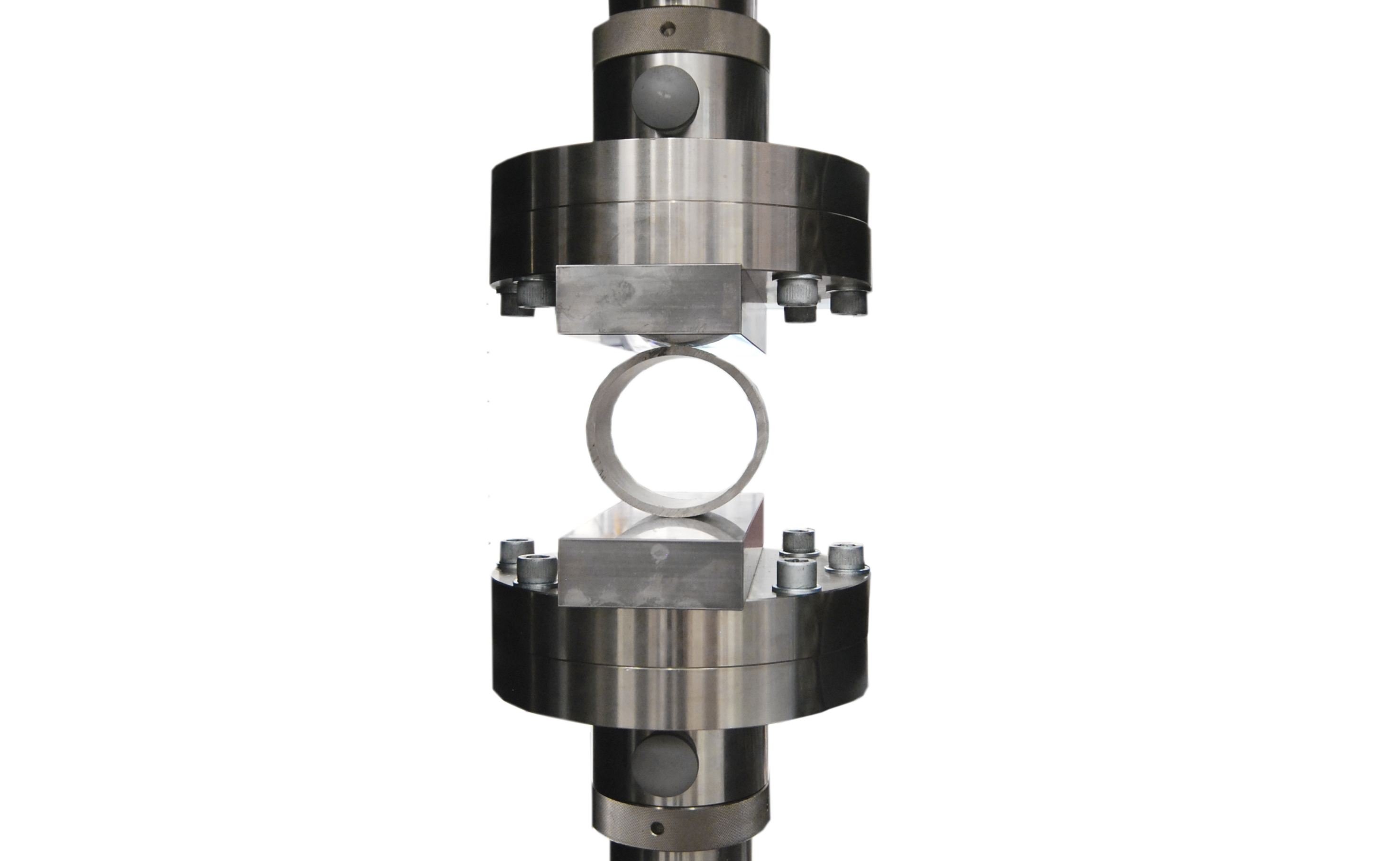
Tube-flattening test on steel tubes
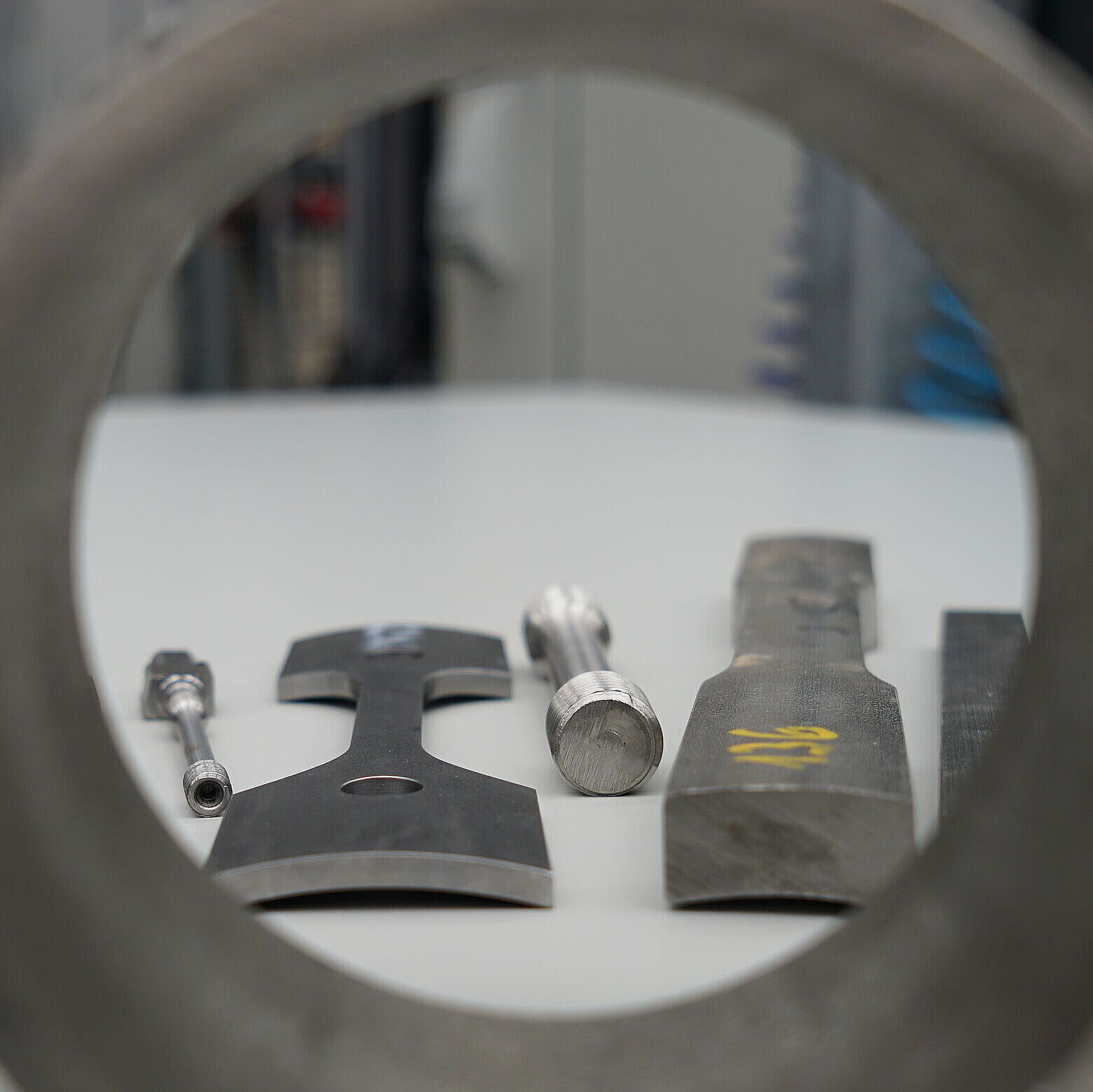
Reliable testing of different specimen geometries

Tensile testing on explosive materials

Testing solutions for defense vehicles
ZwickRoell offers high-precision testing systems for defense vehicles to ensure the strength, durability, and damage tolerance of all components – from fuselage panels to suspension systems. Our solutions guarantee structural integrity and reliability under extreme mechanical loads and demanding environments.
Why materials testing is crucial for defense vehicles
Defense vehicles must be able to operate in any terrain and under the toughest conditions. Our testing procedures simulate realistic operational scenarios to validate the durability of welds, armor plating, and chassis components.
Our testing technologies for defense vehicles
- Structural strength and load tests, such as hole expansion tests on crack-sensitive structural sheet metal, armor plates, chassis frames, and suspension components
- Testing of fasteners and bonding tests for bolted armor sets, adhesive joints, and welded hull seams
- Impact and load assessments for armor plates, structural beams, armor plating, and bumper assemblies
- Dynamic functional tests such as fatigue strength tests of chains, as well as for suspension control arms, drive shafts, tow hooks, and tank mounts
- Fatigue and durability analyses of axles, torsion bars, wheel hubs, and welded chassis connections
- Characterization of threaded fasteners to ISO 3800, DIN 969, MIL-STD-1312
- High-temperature tests on exhaust systems and drive components
- Thermomechanical fatigue testing of motor technology
- Creep testing of engineering plastics for engine compartment, fuel system, interior, etc.

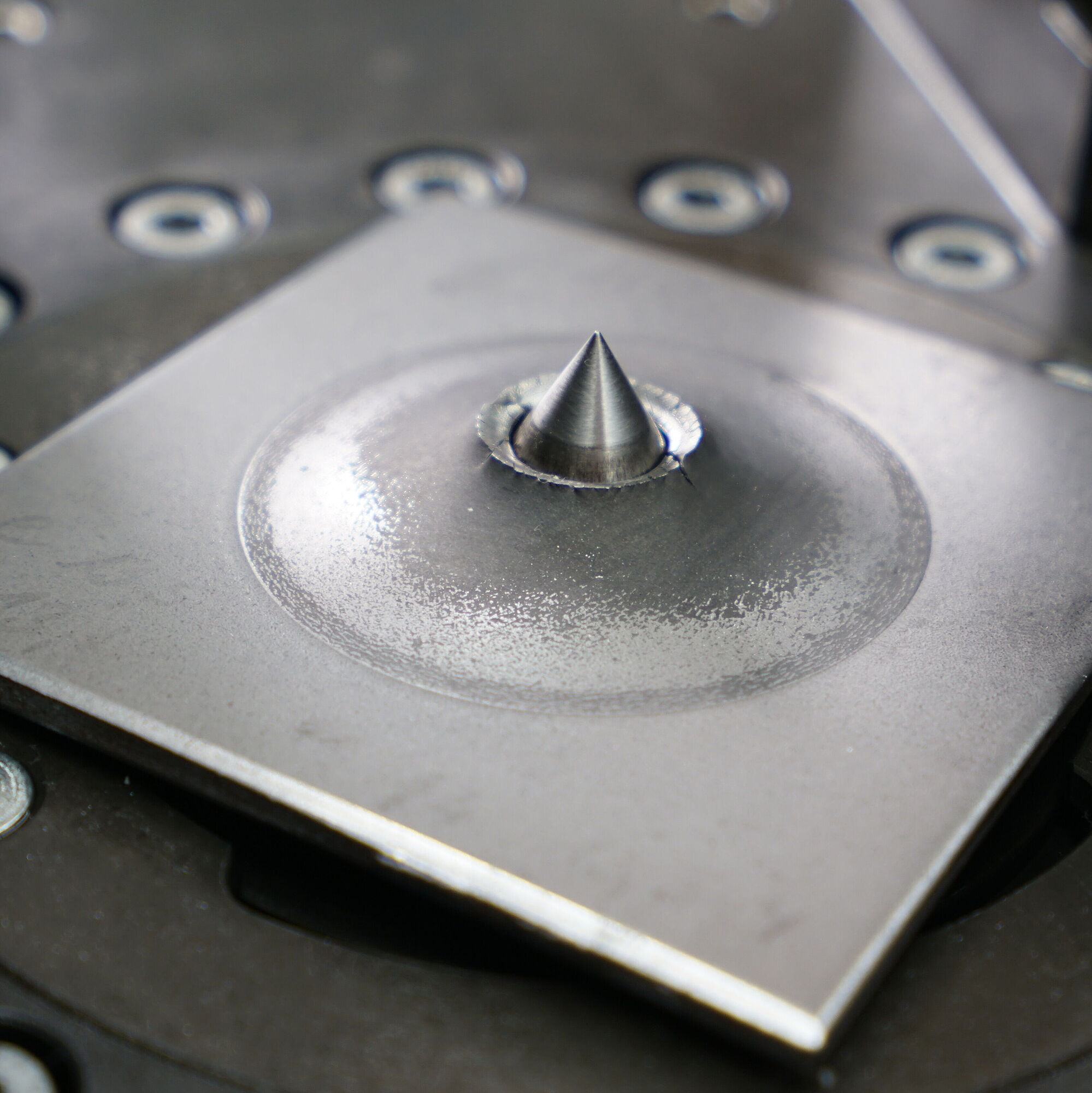
Hole expansion test on crack-sensitive structural sheet metal
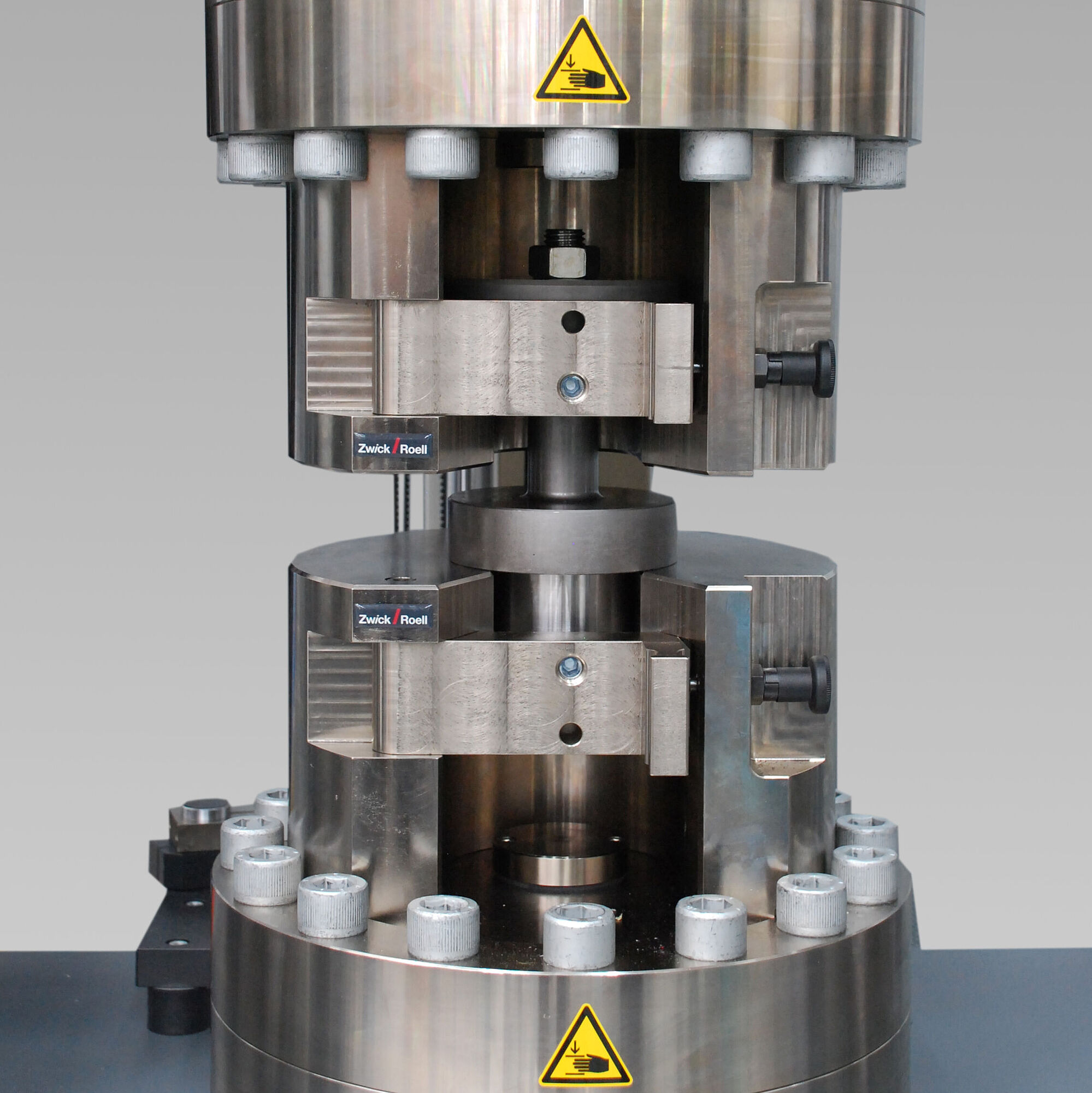
Characterization of screw connections
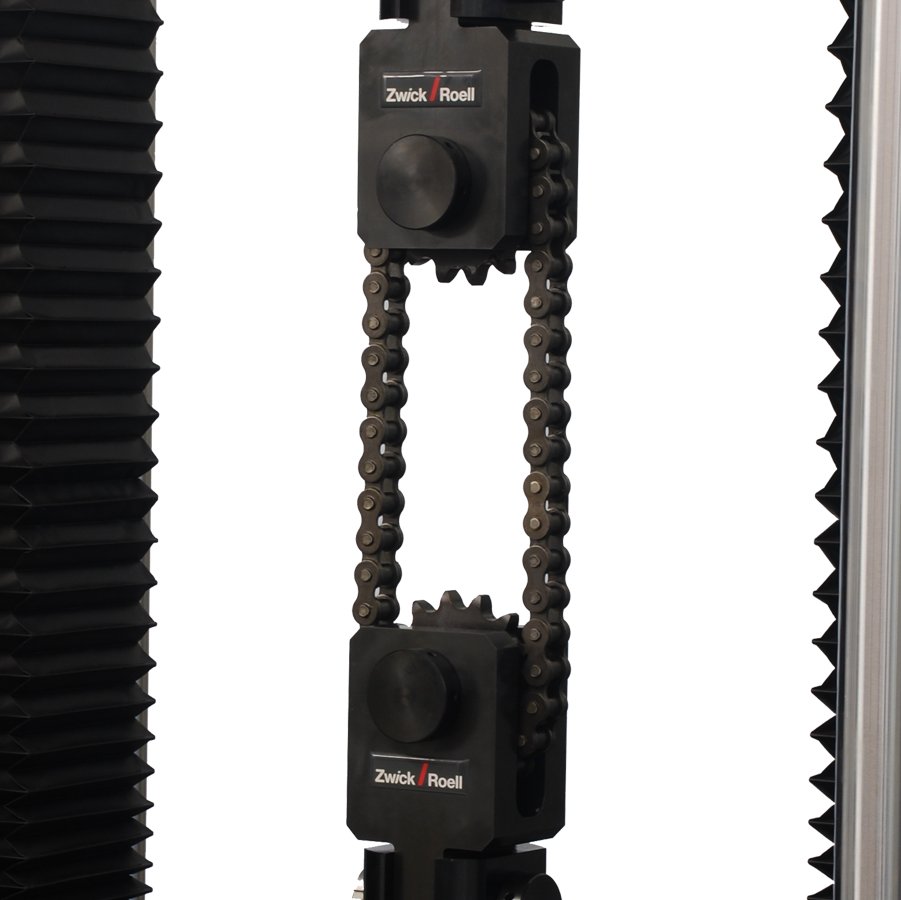
Fatigue strength tests on chain systems
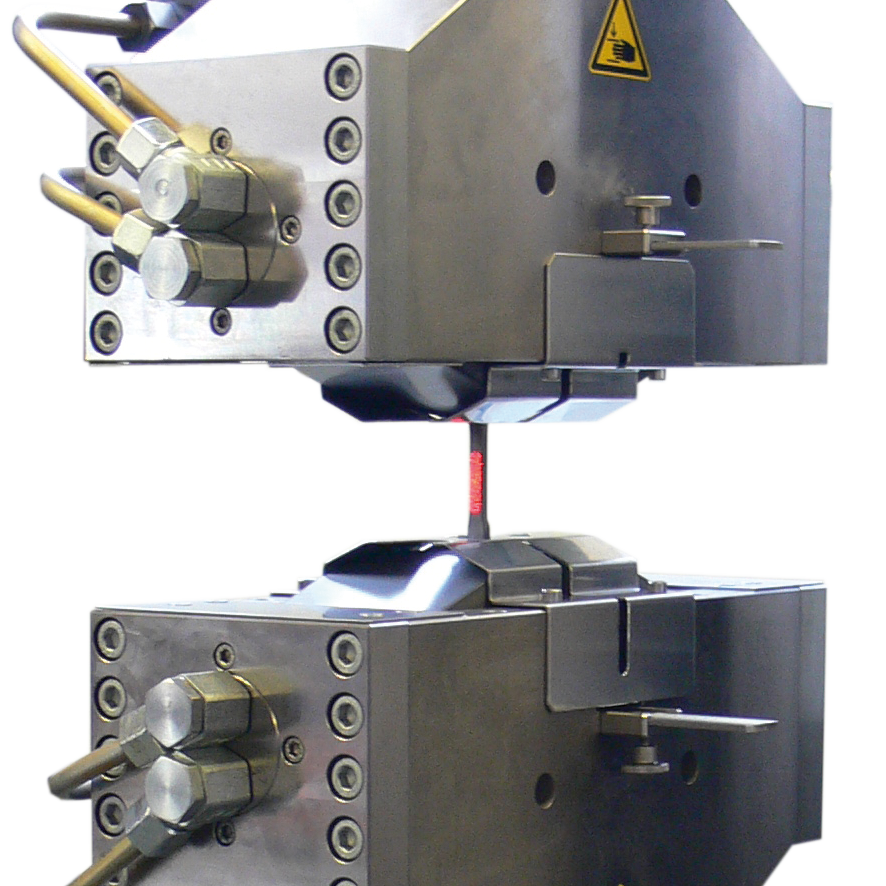
Tensile test on high-strength metal alloys
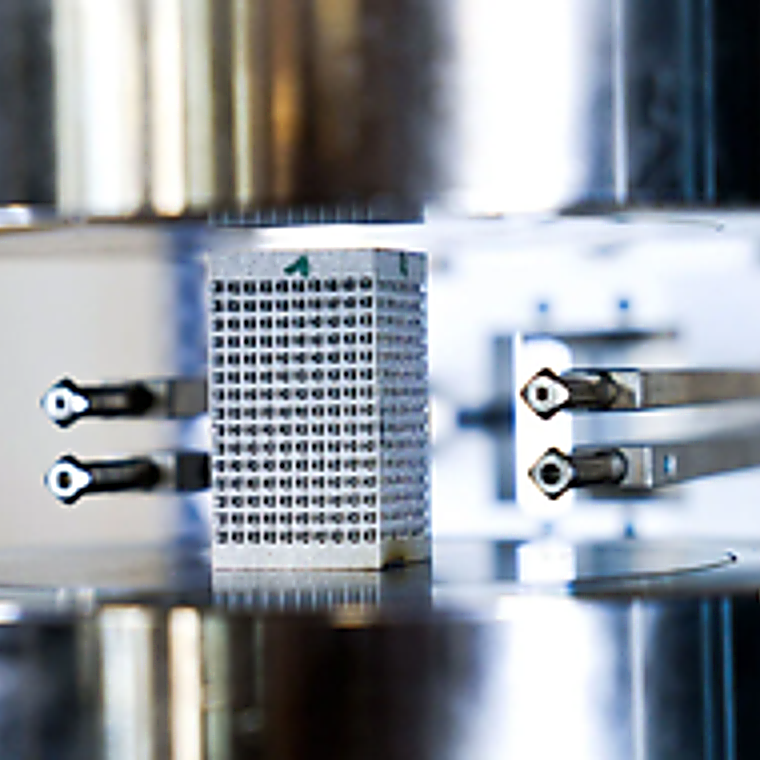
Compression test on porous additive-manufactured titanium structure
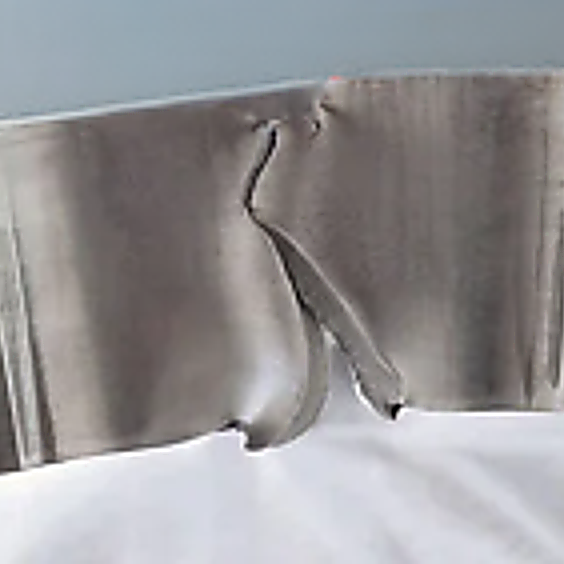
Determination of the crack arrest behavior of special metals
Testing solutions for maritime systems
ZwickRoell offers high-precision testing systems for marine vehicles and maritime defense technology to ensure the strength, durability, and damage tolerance of all components. Our solutions ensure corrosion resistance and structural integrity under extreme conditions—for maximum safety in continuous operation.
Why materials testing is crucial for maritime systems
Marine vehicles operate in the world’s most challenging environments. Every component – from the outer skin to the propeller shaft – must withstand corrosion, recurring stresses, and sudden impacts. Our testing procedures simulate realistic operating conditions to ensure the reliability of all systems.
Our testing technologies for maritime systems
- Tests on the drive train
- Fracture toughness and crack propagation tests on pressure vessel weld seams, propeller hubs, structural frames, and bearing bushings
- Fatigue and service life testing of screws as well as propeller shafts, pump housings, welded stiffeners, and rudder stocks
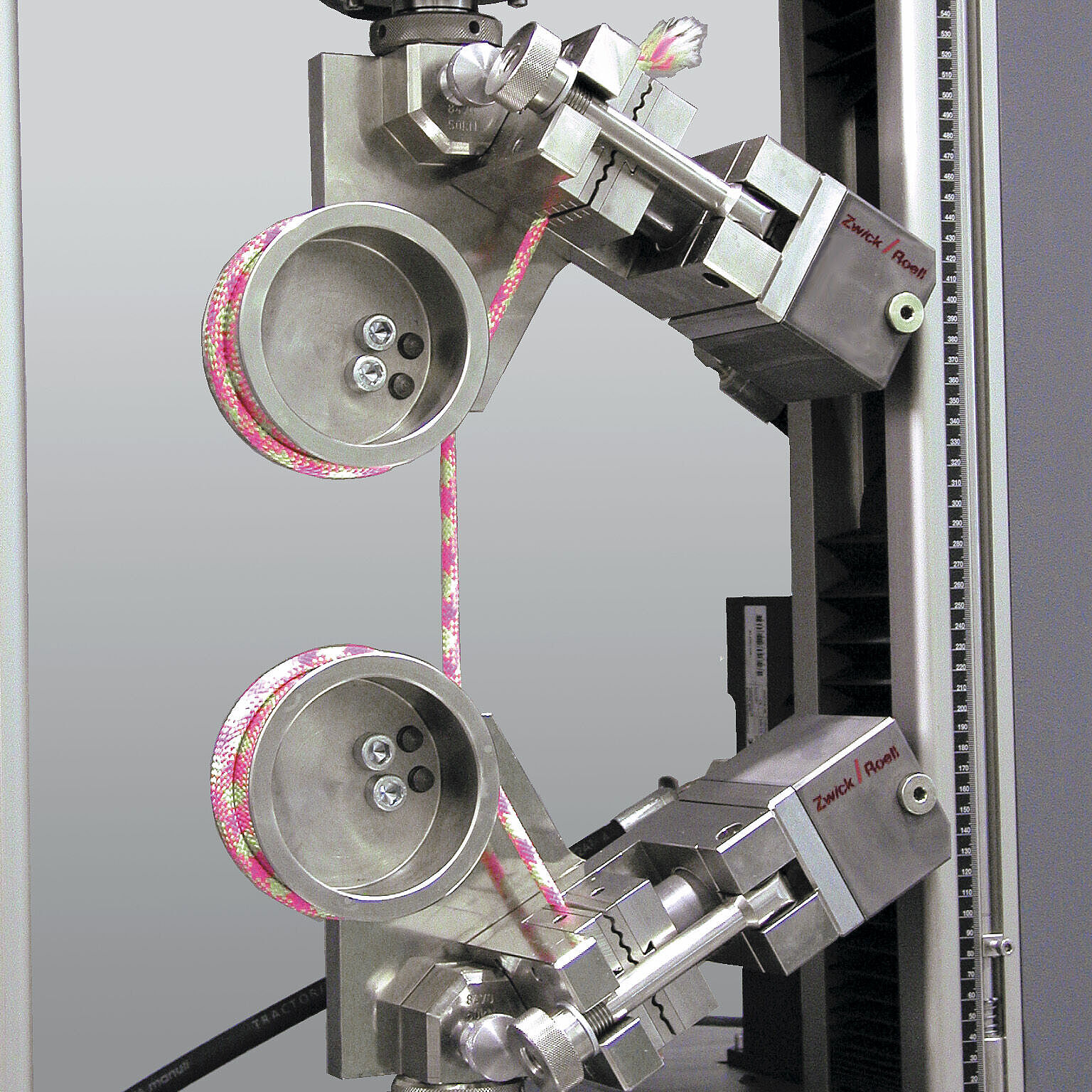
- Tensile tests on ropes and cables according to ISO 2307, DIN EN 1492, ISO 283
- Fatigue testing of gears in the drive train and analysis of crack propagation in welds
- Standard-compliant determination of the crack toughness of stiffening elements and determination of hydrogen embrittlement under direct hydrogen influence
- Determination of hydrogen embrittlement according to ASTM F1624 and ASTM F519
- Strength validation for hull stiffeners, deck plates, mast supports, and keel components
- Durability and corrosion tests for outer hull plates, propeller blades, piping systems, and seacocks
- Testing the joint strength for hull welds, pipe flanges, and brazed joints
- Load-bearing capacity and structural integrity tests for outer skin plates, deck beams, propeller shafts (subscale), and mooring fittings

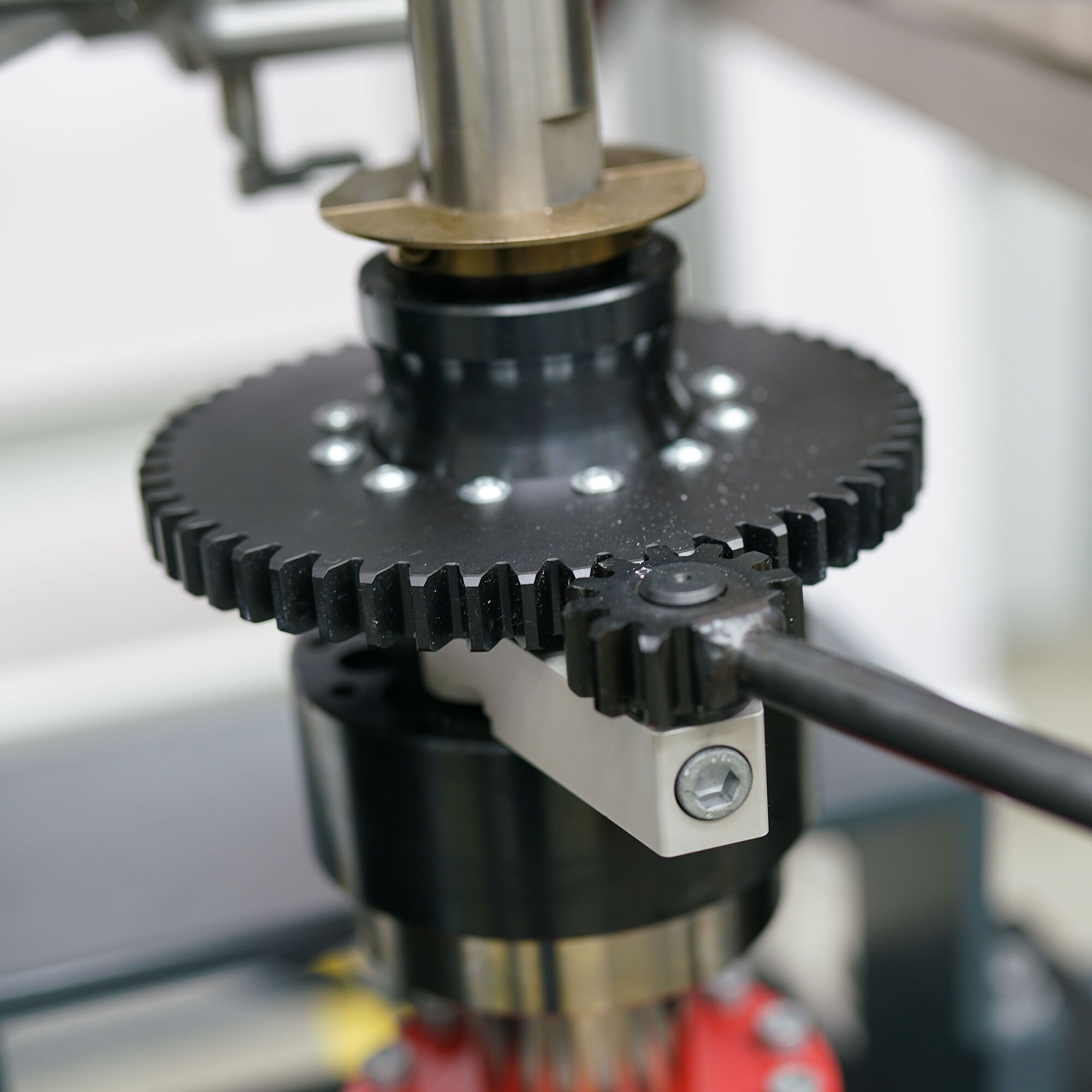
Fatigue testing of gears in the drive train
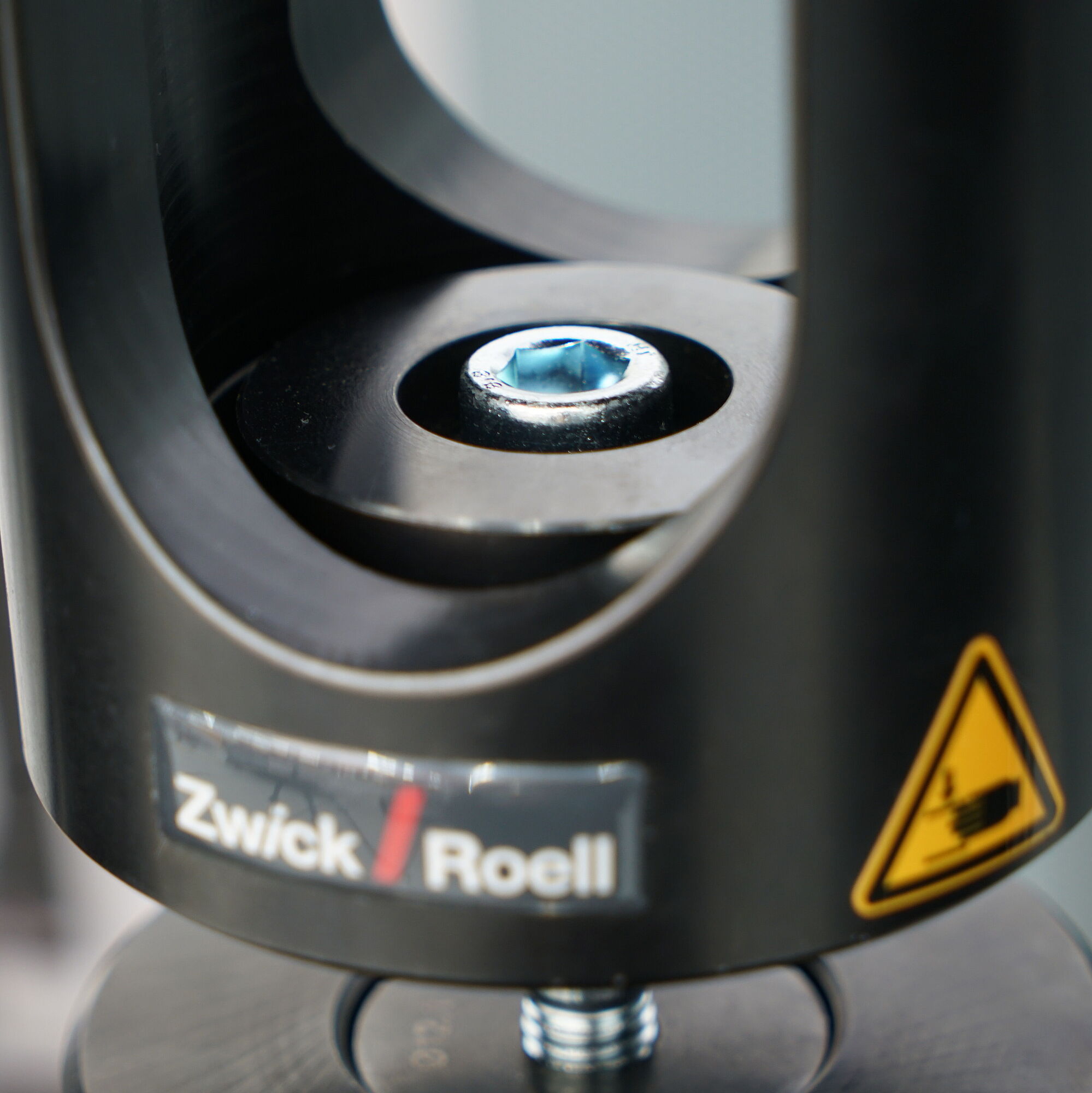
Fatigue testing of screws
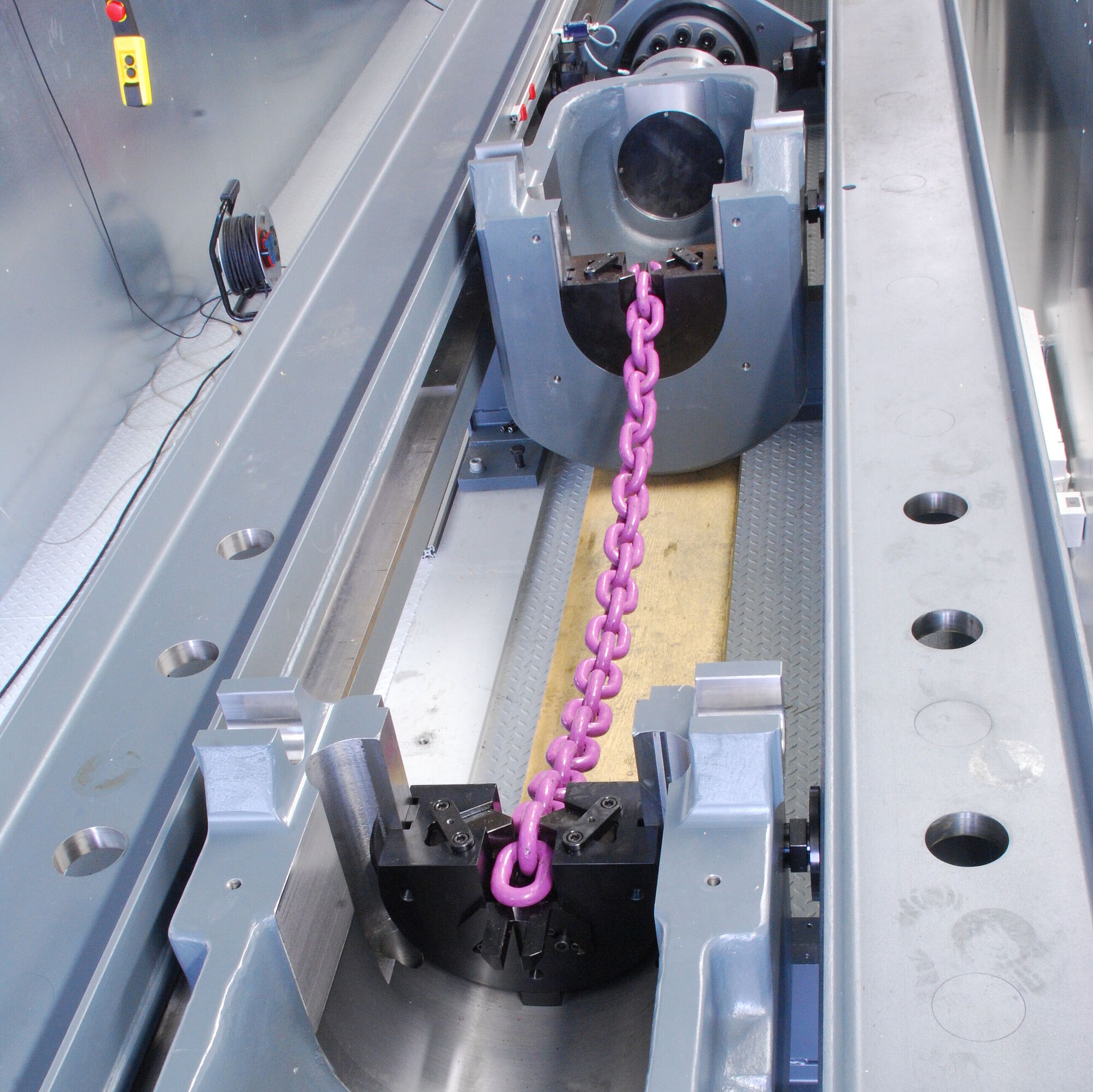
Tensile testing on anchor chain with horizontal 1500 kN materials testing machine
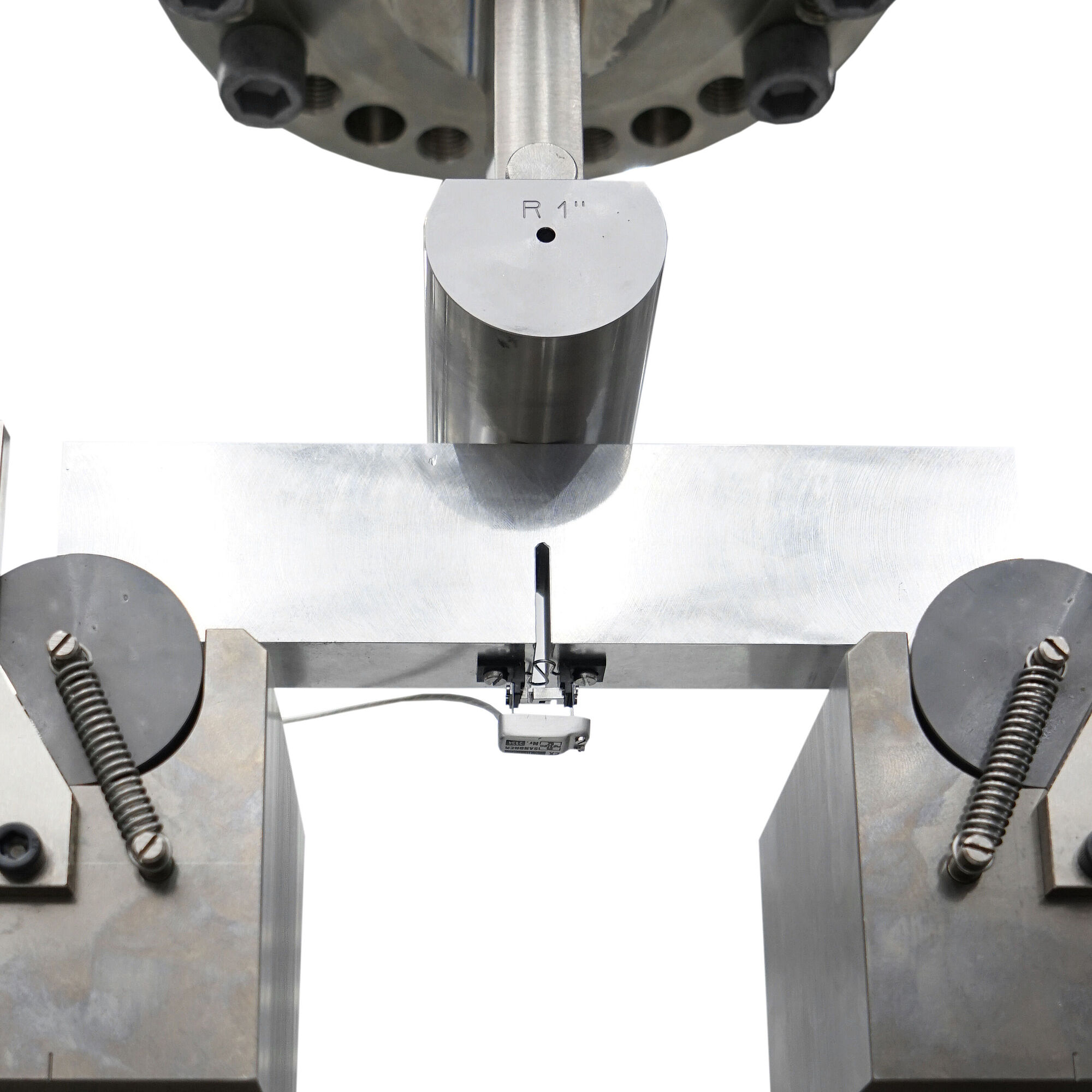
Analysis of crack propagation in weld seams
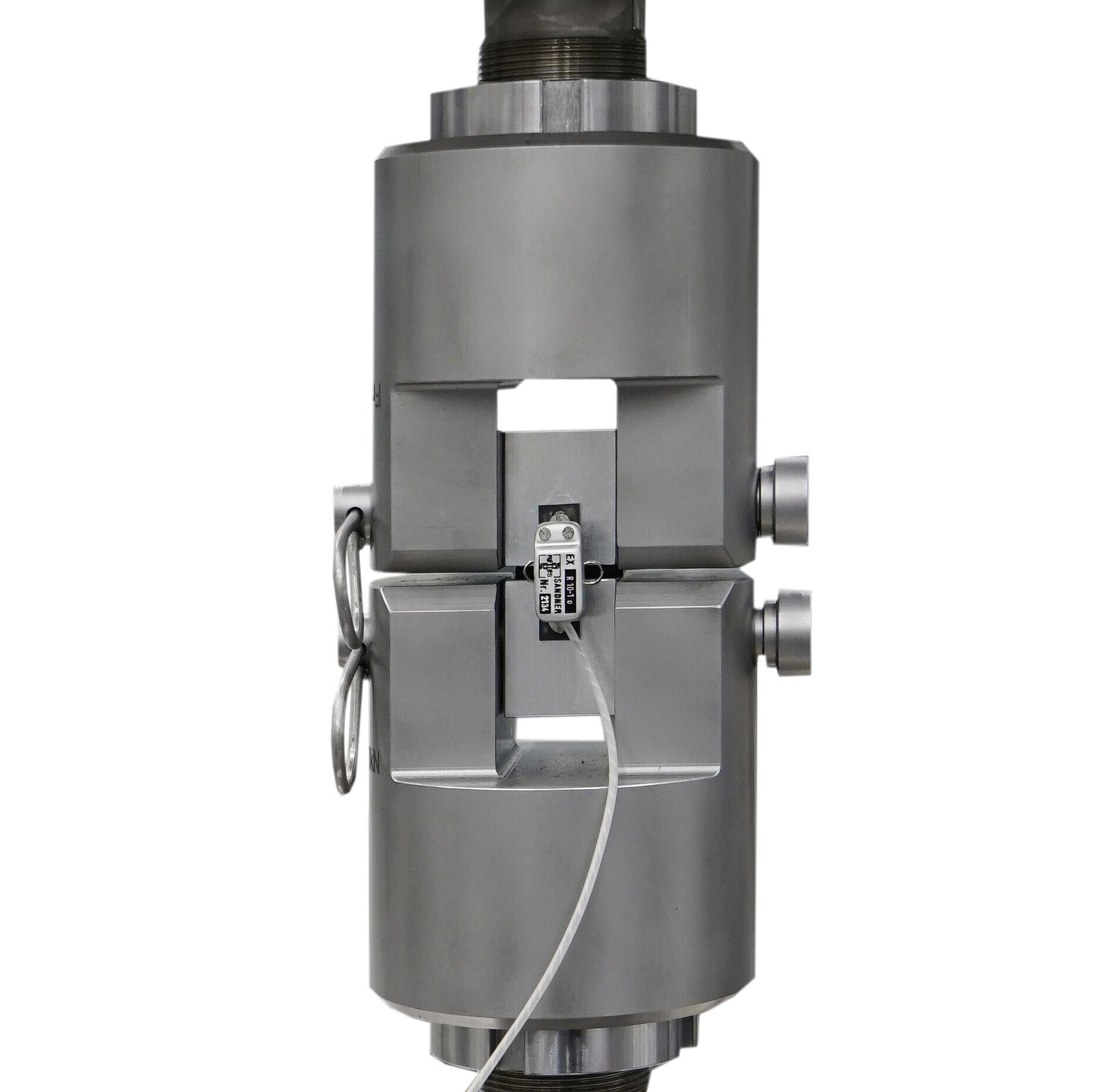
Standard-compliant determination of crack toughness in stiffening elements
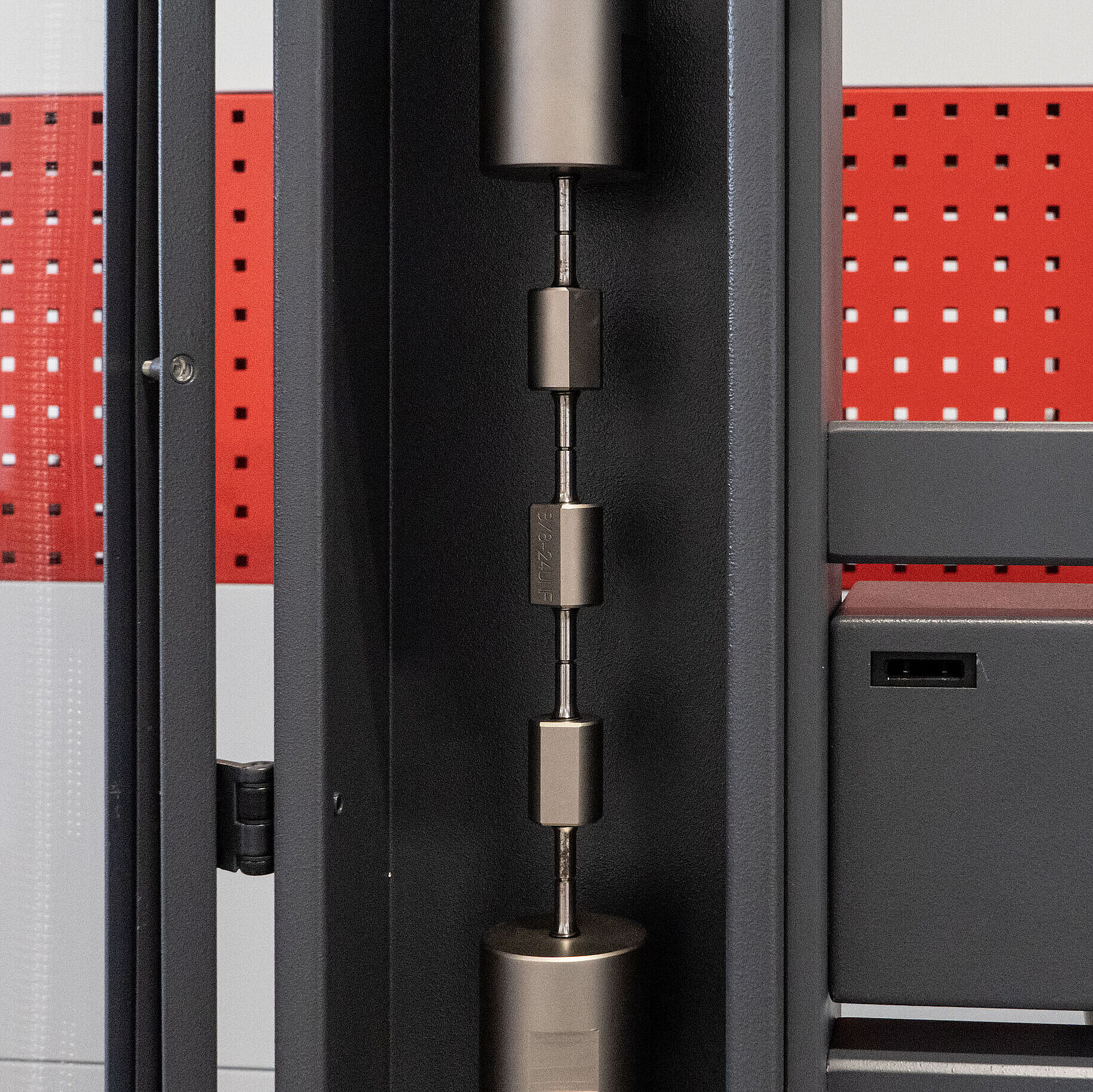
Determination of hydrogen embrittlement
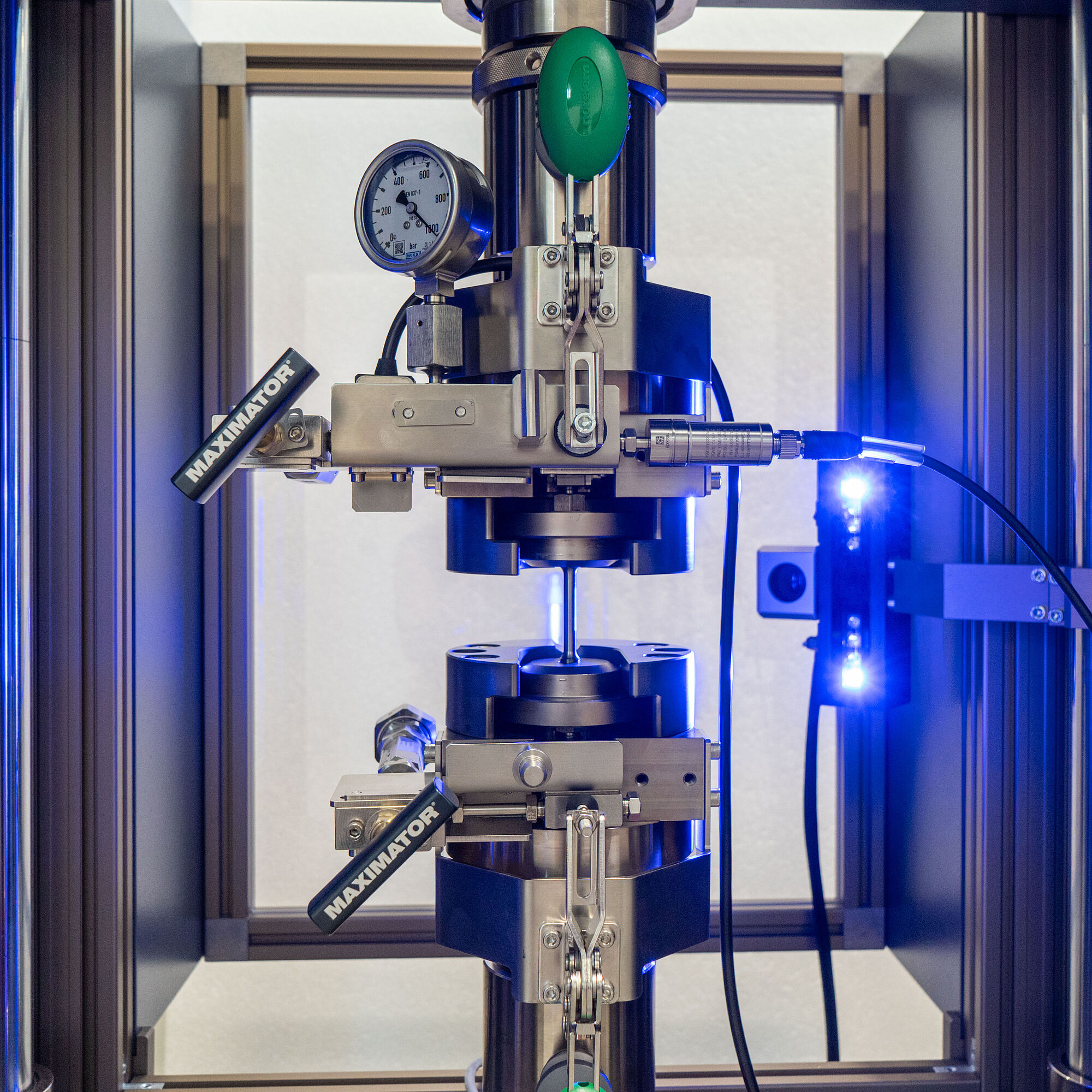
Determination of hydrogen embrittlement under direct hydrogen influence