
ISO 11608-2 Testing of Pen Needles
ISO 11608-2 defines requirements for torque (secure attachment and removal), needle pull-off force, leak tightness and the functional interaction of pen, needle, and cartridge to ensure safe use and maintained dose accuracy of the pen according to ISO 11608-1.
In practice, however, implementation is challenging: delicate needles, complex movements during screwing and manual testing processes often lead to variations and non-reproducible results.
ZwickRoell addresses these challenges with standards-compliant, flexible testing systems for individual tests as well as integrated solutions that combine multiple tests in a single automated workflow without requiring tool changes. These solutions are particularly well suited to manufacturers that perform batch testing of high production volumes and need to combine normative requirements with their own quality and release criteria through additional test parameters such as needle cap removal force and needle seat depth.
Common sources of error Test procedure Testing solutions Request a consultation Downloads FAQs
ISO 11608-2 in practice: Common sources of error and challenges
- Challenges in needle pull-out: The small diameter (~0.26 mm) and short length (4-6 mm) of the needles result in minimal contact surfaces, making secure gripping difficult. Slippage, clamping breakage, or deformation directly affect the pull-out force and increase the variability of the results.
- Complexity of screwing on the needle: Screwing on the needle may seem simple, but it is one of the most common sources of error. Threads don't automatically engage correctly, meaning that simply pushing and turning often leads to misalignment or damage. If the thread start is not engaged precisely, inaccurate torque profiles and non-compliant testing conditions can result.
- Mechanical tolerances and positional offset: Even minor angular or positional deviations can result in misaligned thread engagement and increased friction. Without compensation, systematic torque errors occur, leading to permanently distorted test results.
- Operator influence and workflow disruptions in quality assurance: Manual clamping, tool changes, and variations in handling create inconsistent testing conditions. This increases variability and time expenditure while significantly reducing the comparability of results, which has a substantial impact on retesting, batch release, and production throughput, especially in high-volume production and batch-release quality control.
- Additional test values increase the complexity of quality assurance: In addition to normative requirements, manufacturers often have to test further function- and application-relevant values such as protective cap retraction, needle cap retraction, or needle seat depth to ensure usability and product quality. The more test values are recorded per batch, the more important a reproducible, efficient testing process with minimal manual effort becomes.
How pen needles are tested according to ISO 11608-2
The test according to ISO 11608-2 comprises several coordinated mechanical and functional tests to evaluate the connection between the needle and the pen system:
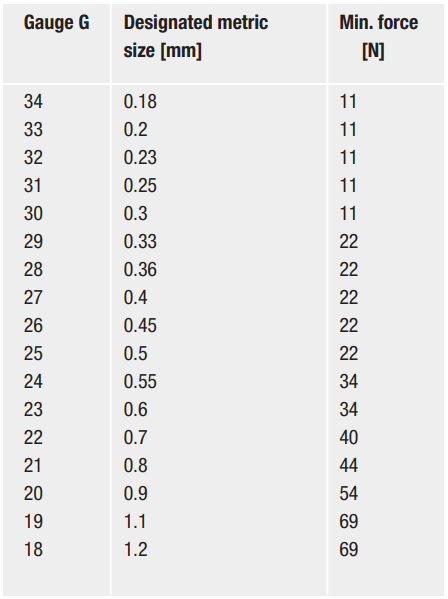
- Tensile test on pen needles: The connection between the needle hub and the needle cannula is loaded at a test speed of (50 ± 5) mm/min until the minimum tensile force specified in ISO 7864 is reached (see Table 1). Theo objective is to verify the integrity of the connection.
- Needle unscrewing torque test: The needle is screwed on with a torque of (0.07 ± 0.02 Nm) and unscrewed again after 10 seconds. The needle removal torque must not exceed 0.1 Nm to ensure safe handling.
- Dose accuracy:In combination with the needle, testing in accordance with ISO 11608-1 verifies whether the delivered dose remains unchanged and correct.
- Confirmation of fluid delivery and leak tightness: After dose delivery, the fluid delivery is visually checked and then the cartridge septum is checked for leak tightness.
In practice, manufacturers often test beyond the standard: Additional quality features such as protective cap removal, needle cap removal or needle seat depth are also recorded, as they significantly influence later application and product safety.

Pen needle testing to ISO 11608-2 with ZwickRoell
ZwickRoell translates the normative requirements of ISO 11608-2 into practical, reproducible testing systems, ranging from the standard solution for R&D to integrated automated solutions for production-related quality control, tailored to your personal testing strategy.
zwickiLine axial & torsion testing machine
Includes tools and software compatible with ISO 11608-2
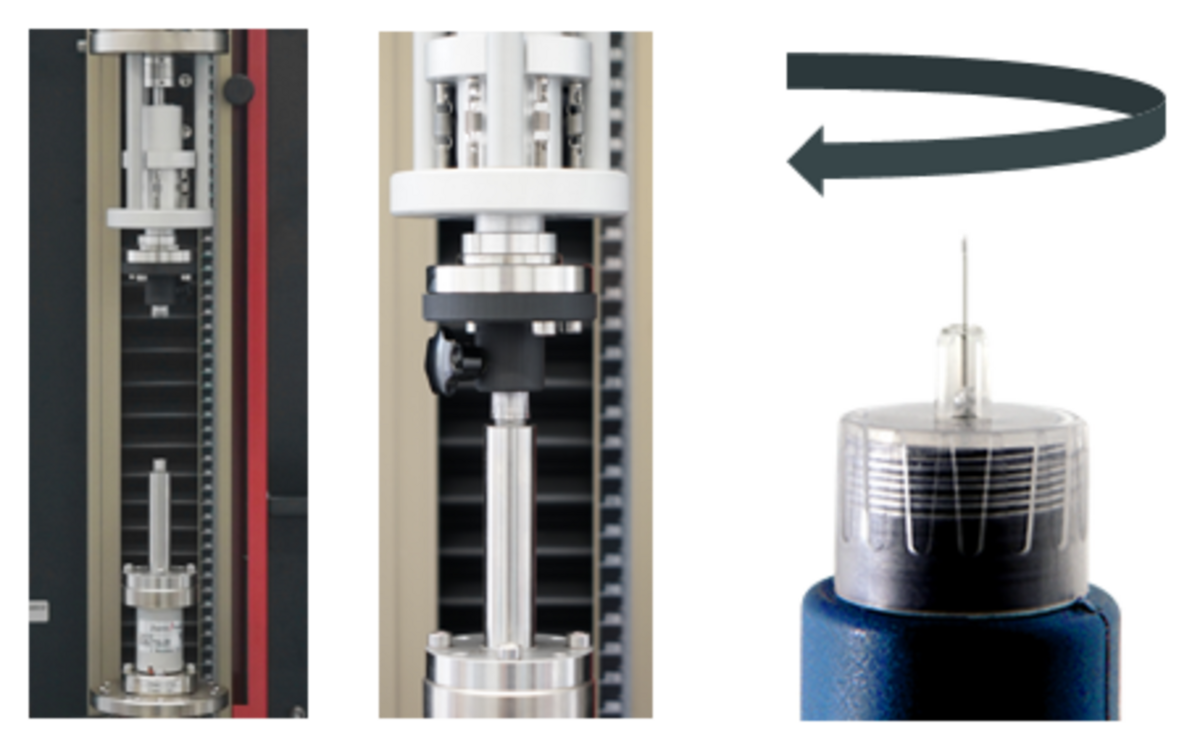
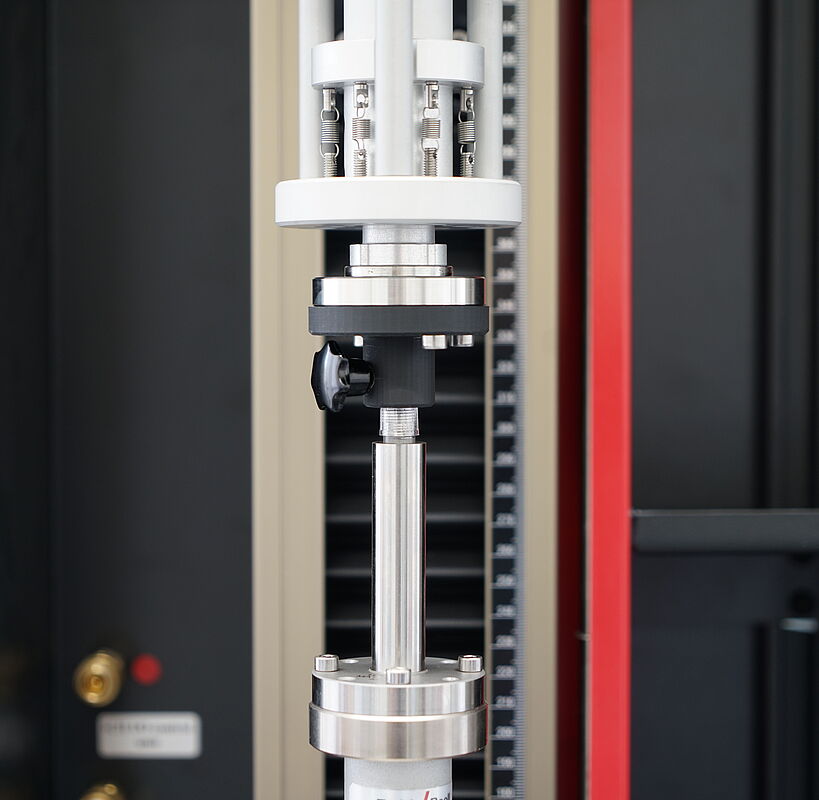
The zwickiLine torsion testing machine uses separate tools for screwing sand unscrewing the pen needle, as well as for needle pull-out testing. Changing between tools is done manually.
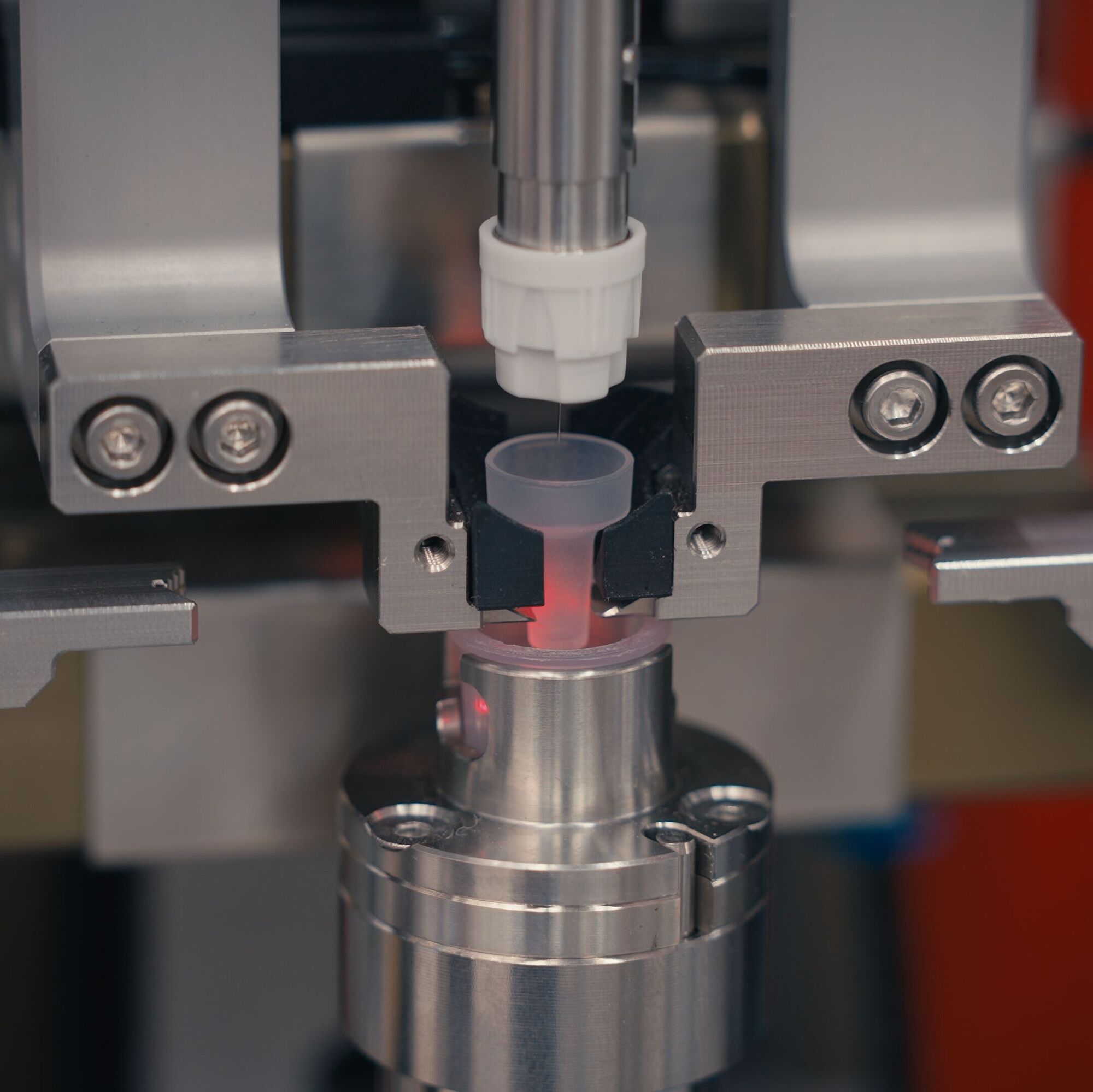
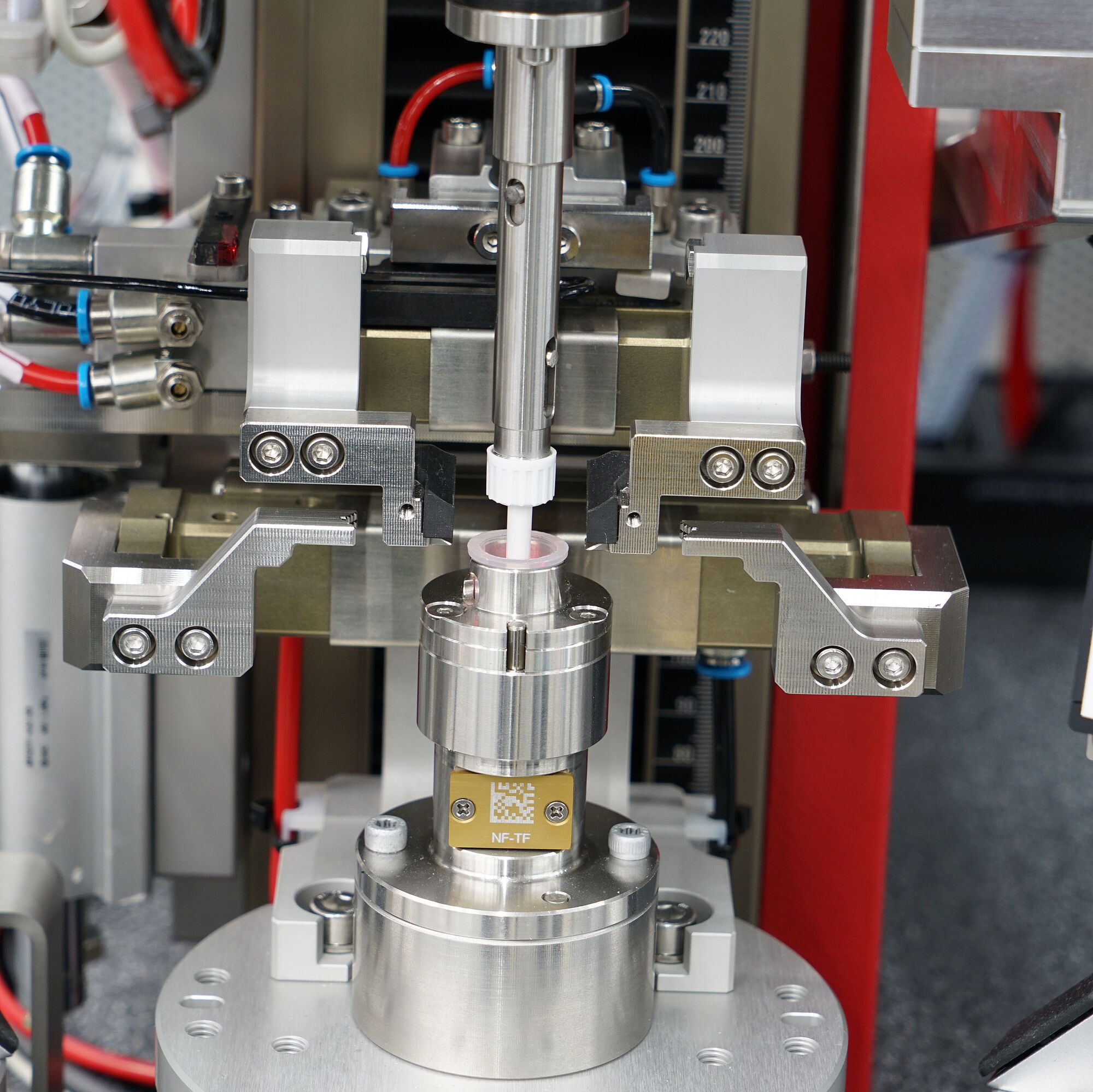
For the automated screwing and unscrewing of pen needles onto the reference gauge, the testing system combines precise rotary movements with a controlled axial force. This allows the needle to be screwed onto and removed from the pen thread in a reproducible manner. The user is supported by the testXpert test program, which was developed specifically for ISO 11608-2.
A mechanical compensation unit ensures secure thread engagement. It prevents the threads from cross-threading or becoming damaged. At the same time, the system ensures that a constant contact force is maintained during rotation.
This allows for the reliable simulation of real-world handling conditions when screwing on a pen needle. The precise drives and high-resolution force and torque measurement enable stable control throughout the entire test sequence and provide reliable results for development, quality assurance, and series testing.
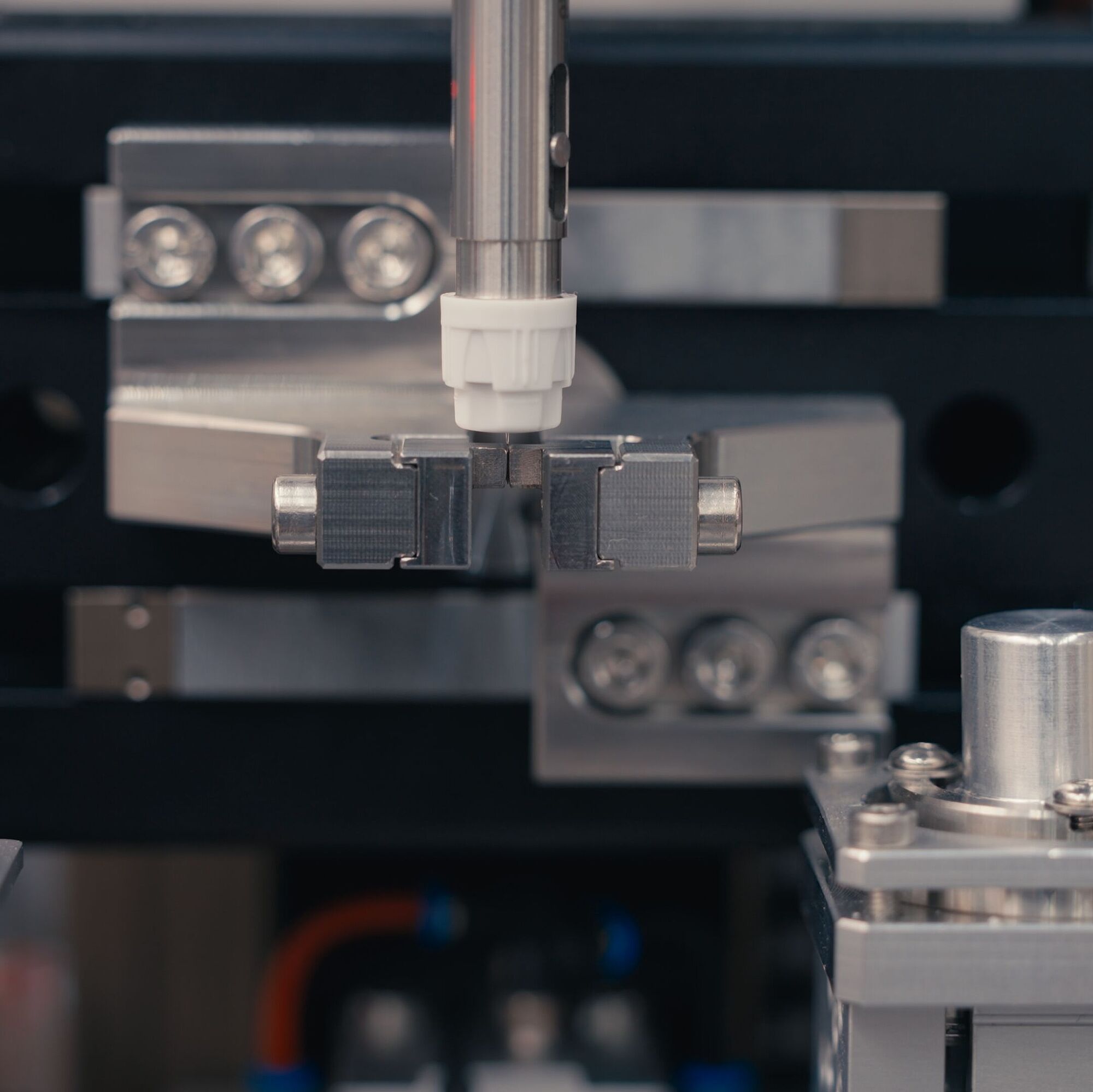
After manually changing to the appropriate tool, needle pull-out tests can also be performed on the testing machine. Specially adapted jaws ensure the secure fixation of the very delicate pen needles and enable reproducible and reliable test results.
Because the test tools must be changed manually, more time is required for retooling on the one hand; on the other hand, tools of virtually any type can be used.


zwickiLine pen needle tester
Save time. Test pen needles in a seamless, customized workflow.
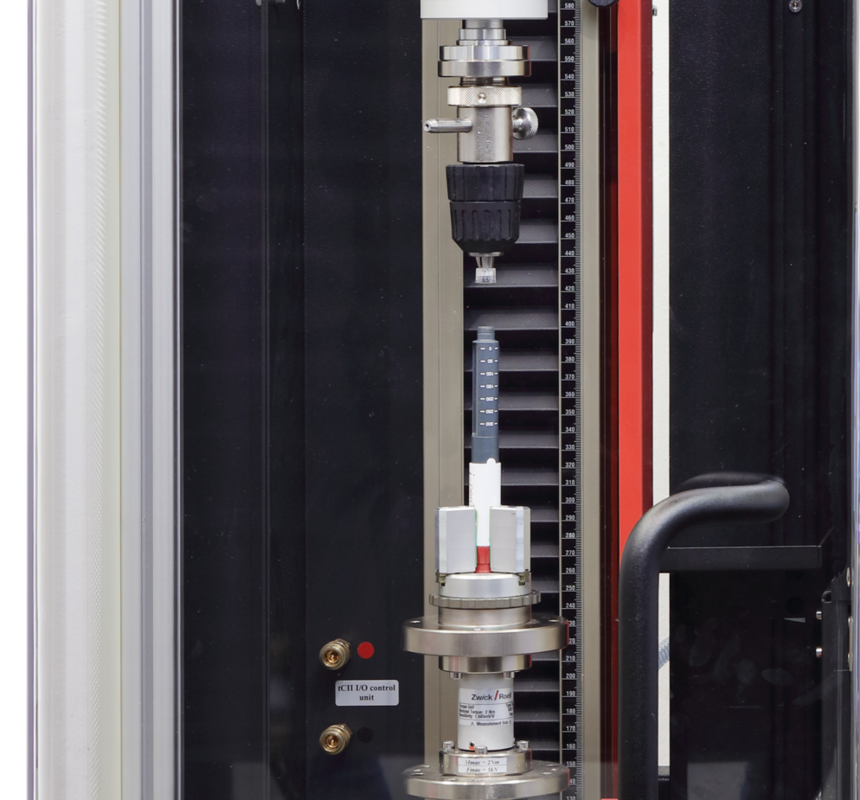
The zwickiLine pen needle tester fully automates pen attachment and removal as well as pull-off testing of protective caps and pen needles. Manual tool changes or reconfiguration between individual test steps are not required. This enables uninterrupted execution of even complex multi-stage test sequences while minimizing operator influence.
High testing volumes often present additional challenges for pen needle manufacturers in quality assurance, production control, and batch release:
- Multi-stage testing procedures with numerous individual tests
- Tool changes and manual reconfiguration increase operator influence and reduce specimen throughput
- The combination of normative requirements with additional manufacturer-specific tolerances or application-relevant quality characteristics, such as protective cap and needle cap pull-off force as well as needle seat depth, to ensure reliable fluid uptake from the cartridge
- The scalability of the testing process with increasing production volumes

The zwickiLine pen needle tester addresses these requirements with a seamless, customizable testing workflow – from screwing the needle onto the pen, removing the protective caps, and performing the needle pull-out test to unscrewing the needle and reattaching the protective components. All testing steps are performed without manual tool changes or reconfiguration.
The system reliably replicates real-world application conditions. At the same time, the high-precision measuring technology detects even minute forces on sensitive components of the pen needle.
The fully automated process reduces operator intervention and avoids interruptions between individual tests. This enables reproducible and traceable results with high specimen throughput. The pen needle tester is therefore suitable for both standards-compliant testing according to ISO 11608-2 and customer-specific quality testing in series production.

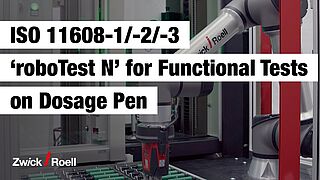
Automatic specimen handling with roboTest N
For higher testing volumes, an automated solution is available that eliminates manual influences by the operator: The robotic testing system roboTest N enables not only the sequential testing of pen injectors according to the relevant parts -1 to -3 of ISO 11608, but also individualized needle testing according to ISO 11608-2, expanded to include your quality-relevant test parameters such as needle cap removal and needle seat depth.
This ensures reproducible results, high efficiency, and maximum process reliability.


- Industry Brochure: medical industry PDF 6 MB
- Industry brochure: Testing Solutions for Injections Systems PDF 3 MB
- Product Information: Traceable and Reliable Test Results in Accordance with FDA 21 CFR Part 11 PDF 1 MB
- Product Information: Qualification of ZwickRoell Testing Systems PDF 1 MB
ISO 11608-2 pen needle testing FAQs
ISO 11608-2 defines the requirements for pen needle systems that screw onto pen injectors. The objective of the standard is to ensure that the needle remains securely attached under realistic application conditions, functions correctly, and does not impair the delivery of the medicinal product.
The focus is on both mechanical and functional aspects. The needle system must withstand defined tensile and torsional loads without loosening or failing. At the same time, the dose accuracy of the pen must not be negatively affected by the attached needle. Another essential point is leak tightness: After dose delivery, the fluid must be dispensed reliably without any unacceptable leakage.
The testing requirements of ISO 11608-2 can be divided into four main areas:
- Mechanical integrity of the needle connection: Verification of the secure connection between the needle hub and needle cannula under tensile loading.
- Torsion behavior and removal torque: Secure needle attachment and removal while maintaining a low removal torque.
- Functional compatibility with the pen: Verification that the needle does not affect the dose accuracy of the pen.
- Post-injection leak tightness: Confirmation of fluid delivery and visual inspection for residual leakage at the cartridge septum.


